PhD Philosophy & Psychoanalysis

Category: What is therapy? (Page 1 of 2)

The kink of therapy and the therapy of Kink: A critical reflection on methodology.

A brief essay presented at the South African Sexual Health Association 2026 Conference: Into the Fray.

Scroll through your Instagram feed and you will soon find something or someone telling you what is supposedly good for you. Just follow these 7 steps, those 10 exercises, and sprinkle them with some collagen, and you will find your way to everlasting health and happiness.
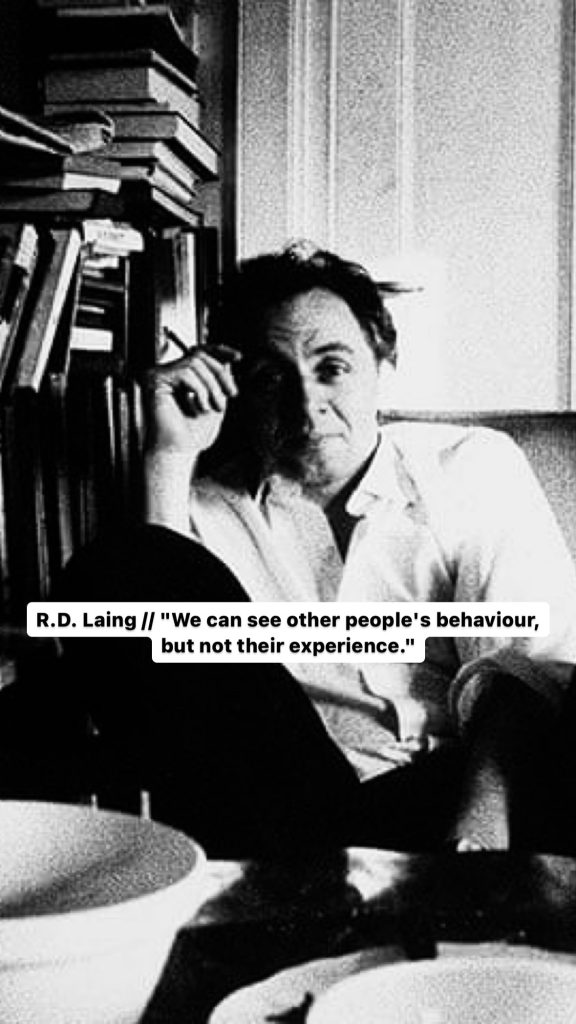
What if the goal in life was not happiness? What if lifeโ€™s goal for you, despite all your efforts, is entropy? What if, as Freud and Breuer (1895/1955) proposed, the most we could hope to gain from any therapeutic experience was to transform hysterical misery into common unhappiness? Nevertheless, the psy-industry โ€” psychology, psychiatry and psychoanalysis โ€” has become the modern priesthood, preaching to us what it is to be supposedly normal, virtuous and healthy. Alternatively, analysts like R.D. Laing (1967) proposed that it is truly mad to be normal. That to be supposedly normal is to be alienated from what it means to be alive.

As you enter the gym, a sign catches you halfway up the staircase, advising you to hold the railing.

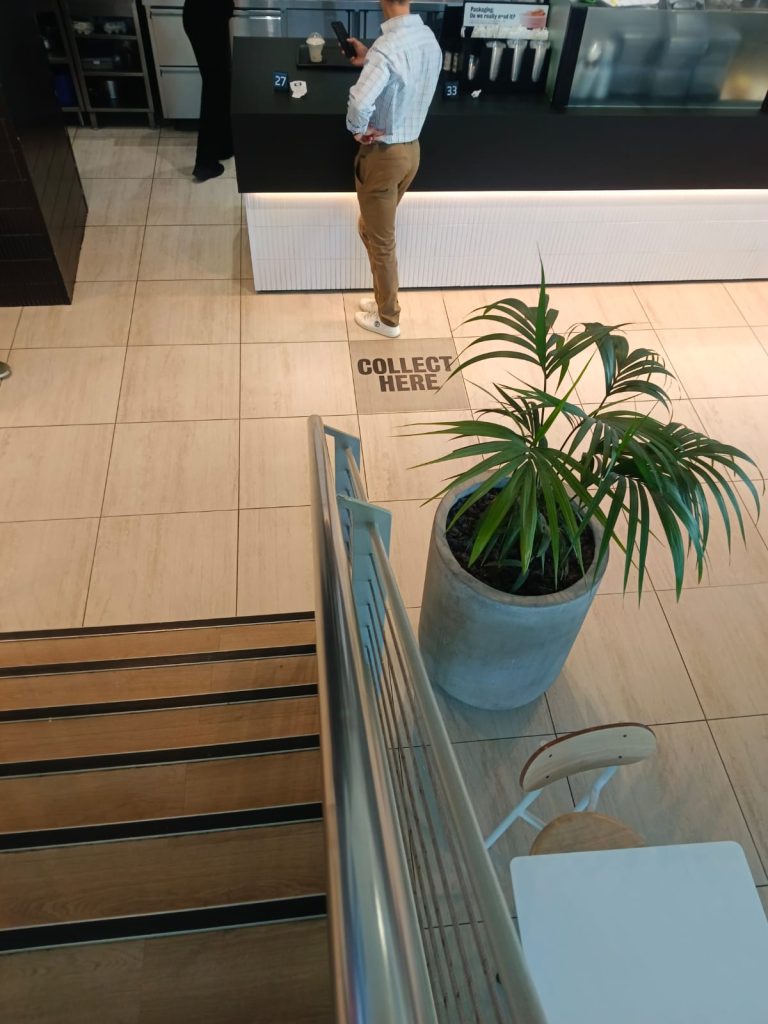
On your way back down, you get rewarded with a free protein smoothie for dutifully attending three times this week.

Your healthcare insuranceโ€™s way of reducing you as a liability. Somewhere between the handrail, intermittent glances at your phone, and the reward of the smoothie โ€” a great deal has been proposed about how you should live, what your body is for, and what counts as taking care of it. Taking care of yourself has come to mean watching yourself in wall-to-wall mirrors as you raise kettlebells in an ode to Sisyphus.

Foucault (1988) would not have been surprised. He argued that modern power does not operate primarily through force and prohibition. It does not only say โ€œno you cannotโ€ โ€” it says, โ€œthis is in your best interestโ€, โ€œthis is what it means to be normal.โ€ Medicine, education, psychology, psychiatry and psychoanalysis are all, in his view, technologies of normalisation โ€” disciplines that produce the very subjects they claim merely to describe, serve and treat. Foucault found it frankly absurd that one person would pay another to tell them how to live โ€” not because the exchange was entirely meaningless but because it did not admit to the power relations it enacts.

What concerned Foucault most was not so much overt politics but something more insidious โ€” the way power becomes most effective when it is most invisible, when we internalise its prescriptions as self-care. As you watch a genocide unfolding live on Instagram, fascism quietly and increasingly administrates your life through gym memberships, therapeutic frameworks, data collection and diagnostic categories โ€” regulating your deviation from the norm, including how you experience your body and express your sexuality.

Image from VOX – Getty Images: GAZA

A couple of decades ago, I wrote a thesis on โ€œHow concerns about erections are treated and constructed through language on a Sexual Health Helpline.โ€ This was the SASHA helpline. A handheld phone, on an empty desk at the back of an abortion clinic, attached to the home of the great late Elna McIntosh. Viagra was making its way into the South African market, and Pfizer needed an organisation to address the controversies that emerged from making millions by guaranteeing hard penises. It wasnโ€™t long before new premises were needed to house a mini call centre. There were rumours that aged men were now dying from having sex โ€” callers were advised not to take PDE5 inhibitors while taking nitrates โ€” but the real controversy was that the introduction of Viagra had initiated public discussion about sex. Suddenly people could admit to not only wanting erections but to having all and any desires. It wasnโ€™t only aged men calling in. It was the mistress trying to convince her lover to take the pill so she could get more mileage out of him. The wife complaining that her husband was taking the tablet and she wasnโ€™t really interested anymore.

What the research indicated was that, under the influence of a pharmaceutical industry agenda, peopleโ€™s concerns about sex became increasingly medicalised. Failure to maintain an erection was proposed as โ€œthe canary in the coal mineโ€ for underlying health problems. This orientation eliminated all other possibilities about what a limp penis in a patriarchal society might mean. Both caller and helpline facilitator could quickly do away with the discomfort of exploring the mysteries of our passions by talking about a blue pill that might solve everything. The meaning of a hard penis went unaddressed.

An elderly man complains that the pill is no good. โ€œWhy?โ€ asks the helpline facilitator. He took it and an hour later nothing had happened. โ€œWhat were you doing after you took it?โ€ โ€œMowing the lawn,โ€ he replies. [image 9] Now, unless you have a particular fetish for the greasy back end of a grass cutter, it is unlikely that a PDE5 inhibitor is going to enhance your experience of cutting grass in any way. In this scene, the penis is treated like a mechanical device, a tool in need of repair, to be used on his poor unsuspecting post-menopausal wife. When he finishes his garden duty, she will have to finish hers. No talk of whether she even likes it or wants it. Consent was, unfortunately, not yet in vogue back then.

The gradual medicalisation and therapisation of everyday life contribute to the surreptitious rise of fascism. Everyday life is recategorised into too much of this or too little of that. Experiences rich with intrigue and mystery are professionalised: ayahuasca is stolen from the shaman; mindfulness is taken from the mountain; cold plunges become method rather than early morning madness; breath becomes work; and ketamine is reserved for clinical drips at exorbitant prices rather than complete immersion between lovers groping into the abyss of one another.

What, then, is the relationship between the world of kink and therapy? Are we not at risk of reducing the enigmatic, dark, and expressive world of kink into something purely for our own good? Take, for example, our current preoccupation with consent โ€” not in its obvious and urgent attempt to prevent violation of any kind, but in the idea that we can pre-decide what an experience will be and mean to us. In an attempt to have safe experiences, there has been a growing fixation on the administration of experience. Everything must be agreed upon in advance. Limits must be declared. Surprises must be minimised. The encounter must be concluded before it begins.

The psychoanalyst Avgi Saketopoulou is suspicious of this fixation โ€” not because consent is unimportant but because it rests on a fantasy: that we can know in advance what we are willing to experience, what we can bear, and where our limits lie. Genuine experience does not take this shape. We do not always know what we desire until we encounter it. We cannot predict what will emerge in contact between two or more people. Following Foucault (1988) and Bataille (1957/1986), Saketopoulou (2023) proposes that it is precisely at our limits โ€” at the point where the egoโ€™s capacity to manage and translate experience breaks down โ€” that anything genuinely new becomes possible. To pre-negotiate the limit is to ensure you never reach it.

Avgi Saketopoulou

In Sexuality Beyond Consent, Saketopoulou (2023) proposes that there is an inherent bending of the clientโ€™s will through the process of therapy. For example, if you arrive in therapy declaring that you want to speak about your current sexual difficulty but that you donโ€™t want to talk about how your own father molested you, the therapist is most likely to respect this โ€” but in the hope that, over time, you will feel safe enough to go there. Even if both held strictly to that agreement, a sincere therapeutic encounter will take both parties somewhere neither anticipated. In both therapy and kink, there is value in taking the experience to a certain limit, where the usual moorings of the self are loosened โ€” a dissolution of the ego rather than consolidation of it.

A man leans toward a woman and asks how she is feeling. A private conversation made deliberately public. She nods, smiling nervously. He turns to the audience and says he has an idea in mind but is not quite sure how it will play out. There is no checklist of hard limits โ€” they have done this many times before. As he positions her, she notices herself in a mirror across the room. She whispers in his ear. He nods, smiling for the first time, and moves the mirror out of sight. [Image: Naka Akira at Toubaku, Tokyo, Japan]

He binds her, ceremoniously, into a Takate Kote. Raises her to her feet, forms a tight rope between two pillars that runs between her legs. A silk scarf covers her eyes. Then she hears it โ€” the crash of Lego pieces forming a carpet at her feet. She giggles at the familiar sound. The room laughs with her. He tugs the rope. An invitation rather than a command. She inches forward across the Lego โ€” each step a small confession, a surrender, an offering, a devotion.
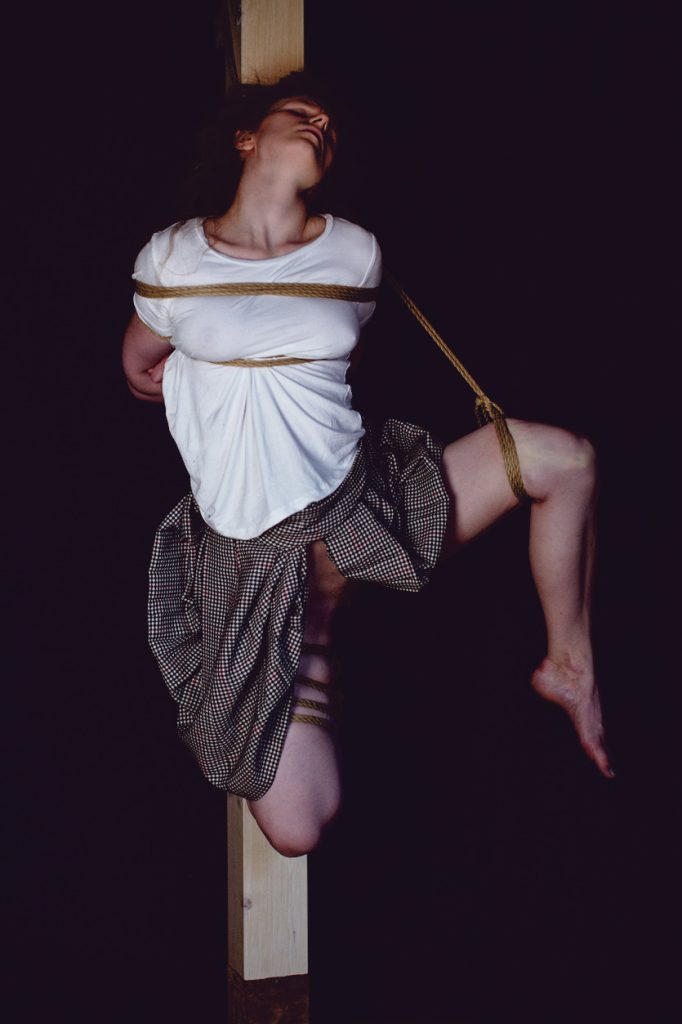
Eventually he pins her against the pillar, a Hashira โ€” suspended, exposed, arms behind her back. He fetches the mirror. Places it directly opposite her. Removes the scarf. She blinks. Smiles. Laughs uncomfortably. Frowns. Looks away. He takes her jaw firmly in his hand and slowly returns her gaze to herself in the mirror. She now sees what we see. Her beautiful agony. She comes undone. The room laps her up as she seems to spill into it. [image by Andy Buru]

There is a lingering impact to this scene that resists easy explanation. As Alphonso Lingis puts it, โ€œObserving an event, however unusual, is not having an experienceโ€ (Lingis, 2016, p. 7). Having an experience is to undergo a passion: wonder, rage, terror, jealousy, grief, lust, shame, guilt, awe, erotic pleasure โ€” even love. What came over those present that they were no longer observers but having an experience? The self devoted to order and productivity, the prudent and calculating self that seeks to manage its feelings, the distinct self with its habitual identity โ€” receded.

Alphonso Lingis

It is not easy or perhaps even necessary for the performers in this scene to put their experience into words. The compulsion to explain and translate is itself part of what the scene resists. We remain somewhat opaque to ourselves and to each other. No one can experience your experience, and you cannot experience theirs. We can only experience each other experiencing. The encounters that matter most โ€” in kink, as in therapy โ€” are the ones that do not attempt to resolve that opacity but venture towards it. Lingis (2016) warns against a psychology that encourages us to distance ourselves from the passions. Through the inevitable overwhelm of the everyday habitual self, something else emerges โ€” something less fixed and more relational, even if just for a moment. Perhaps we could call it a kind of madness. Nevertheless, it gives way to a different kind of knowing โ€” a collapse of conventional knowing and a relinquishment to the absurd.

The word therapy comes from the Greek โ€” to be with, to attend to.

Not to cure.

Therapy, at its most honest, is simply this: to be with, in curious and courageous enough ways that allow something new to emerge in the space where the self, briefly, loosens its moorings on ideas of what, who, and how we ought to be.


References

Bataille, G. (1986). Erotism: Death and sensuality (M. Dalwood, Trans.). City Lights Books. (Original work published 1957)

Breuer, J., & Freud, S. (1955). Studies on hysteria. In J. Strachey (Ed. & Trans.), The standard edition of the complete psychological works of Sigmund Freud (Vol. 2). Hogarth Press. (Original work published 1895)

Foucault, M. (1988). Technologies of the self. In L. H. Martin, H. Gutman, & P. H. Hutton (Eds.), Technologies of the self: A seminar with Michel Foucault (pp. 16โ€“49). University of Massachusetts Press.

Laing, R. D. (1967). The politics of experience and the bird of paradise. Penguin.

Lingis, A. (2016). Aconcagua. In R. Wheeler (Ed.), Passion in philosophy: Essays in honor of Alphonso Lingis (p. 7). Bloomsbury.

Saketopoulou, A. (2023). Sexuality beyond consent: Risk, race, traumatophilia. NYU Press.

Reclining into the emerging

The new home of existential analysis in Cape Town is finally taking shape. Even though I am far from a traditionally trained psychoanalyst, many of my clients have shared the fantasy of being able to just lie down and speak freely โ€“ to just be for a moment. This very fantasy of being able to say everything that could be said or needs to be said, is the very fantasy of psychoanalysis. This fantasy is perhaps most accurately represented by the psychoanalytic motif – the “chaise longue” (French for “long chair”) – an object with a fascinating story of its own.

We can imagine as far back as 7th Century B.C., an Assyrian King reclining on a sofa in what is now modern-day Iran, while feasting in celebration of a great victory. Reclining to eat or recount conquests was a marker of one’s elite status: you needed enough servants, enough space, and enough security to lie down like this in public. The Greeks and Romans adopted this reclining habit for their symposion – banquets that focused on drinking wine, conversation, and intellectual debate. Reclining became an increasing symbol of social status and masculinity.

The “Garden Party” relief from Nineveh, depicting the Neo-Assyrian queen Libbali-sharrat (left) dining with her husband, the king Ashurbanipal (right; r.โ€‰669โ€“631ย BC)

This trend went out of fashion in the Middle Ages but made its comeback in 18th century France. Reclining was, however, no longer a male endeavour but a feature saved for aristocratic women’s private chambers. The luxury and even performance of rest became an ideal that spread across upper class Europe. This is where the actual pieces of furnishing designed for such activity became popularised amongst those who could afford it.

The long chair got its most famous cultural boost in 1800, when the painter Jacques-Louis David depicted a 23-year-old socialite, Madame Rรฉcamier, seductively reclining on one, her feet bare. With her feet bare, the painting became a scandal and the gradual sensation of the work (bought by the Louvre) led the chaise longue to become something of an object of desire, femininity, and a certain transgressive sensuality.

Jacques-Louis David, Portrait of Madame Rรฉcamier, 1800, Louvre Museum, Paris. Public domain image

The Victorians moved the chaise longue out of the boudoir and into their over-furnished living rooms, where it served a new function โ€“ to catch women fainting from the physical restrictions of their corsetry. As a result, the Victorian “long chair” was now the fainting couch, with a particular design: featuring a single back with one high, curved arm – the perfect backdrop for a dainty arm as the lady in question wilted. You can therefore tell a Victorian chaise longue by this particular shape. Its design not only aestheticized collapse but became an object that supported the oppressive social norms imposed on women.

This is where its use in psychoanalysis became interesting. Freud was apparently gifted a chaise longue by his patient Madame Benvenisti. He covered it with a Qashqa’i rug – a carpet originating in southwestern Iran – and some pillows for comfort. The reclining position was first used for hypnosis but following a particularly stubborn patient, a wealthy woman named Fanny Moser, who preferred to talk rather than give into hypnosis, a new method was gradually discovered: Freud found that patients were more relaxed, open, and receptive when they lay down, facing away from him. This physical arrangement – the patient reclined, relaxed enough to be somewhere between sleep and wakefulness, and unable to see the analyst – seemed to allow things usually pushed away to surface. In this way, the chaise longue was no longer just a Victorian piece of furniture but an integral part of methodology and a particular mode of relating.

โ€œThere was always a feeling of sacred peace and quiet here. The rooms themselves must have been a surprise to any patient, for they in no way reminded one of a doctorโ€™s office but rather of an archaeologistโ€™s studyโ€ฆ Everything here contributed to oneโ€™s feeling of leaving the haste of modern life behind, of being sheltered from oneโ€™s daily cares.โ€

–Sergei Pankejeff, known as the Wolfman

It potentially remains a significant symbol of the power of clinician over patient. But I like to think that it has other potential: a symbol of how methodology may be moving from oppression and suppression to freedom of expression. After all, it moved from an object to catch women as they fell prey to their oppressive corsetry to one that attempted to gradually free the symptoms of their sexual repressions. We have gladly moved beyond the idea that “hysteria” is a symptom of female failing, but I like to think that there may still be some therapeutic value in succumbing to a therapeutic “recline”, watchful of classism, racism, sexism and capitalism.

My own methodology, which I named in my thesis – contemplative existential analysis – looks at how Buddhist practices, existential philosophy and therapy intersect. What I invite here is something distinct from the classical psychoanalytic instruction to free associate: less a technique to be performed, and more an open, unguarded presence – a willingness to let what is true simply arrive. And so, with the introduction of this piece of Victorian history into the therapy space, I invite you to come and recline, relax, and speak whatever emerges.

Feel free to book an appointment using the menu below, regular sessions are encouraged and charged at a lower rate if booked in packages…

Beyond Consent

Therapy as kink and kink as therapy

I don’t feel that it is necessary to know exactly what I am. The main interest in life and work is to become someone else that you were not in the beginning. If you knew when you began a book what you would say at the end, do you think that you would have the courage to write it? What is true for writing and for a love relationship is true also for life. The game is worthwhile insofar as we don’t know what will be the end.

Foucault (1988, p. 9), “Truth, Power, Self,” interview with Rux Martin, in Martin et al. (Eds.), Technologies of the Self

NOBUYOSHI ARAKI, SEKF PORTRIT, 1994

Introduction

Despite having worked within psychiatric institutions and trained in psychology, Michel Foucault thought it was entirely absurd that one person would pay another person to tell them how to live their lives.  For Foucault (1988), the self was not something to be excavated through confessions (to a priest, analyst or doctor) but to be crafted and exercised in resisting the ways we are made subjects through various forms of power.  Medicine, education, psychology, psychiatry and even psychoanalysis were included in such forms of power.  All play a role in shaping how we define and experience ourselves, especially when it comes to prescriptions for what it means to be supposedly normal.   When it comes to psychiatry, for example, certain experiences are defined as illness conditions such as โ€œbi-polarโ€.  This is not treated as a metaphor for the patientโ€™s experience, but a claim regarding an inherent truth about them that supposedly defines them as the problem.  A personโ€™s pattern of emotional upheaval is defined as a condition that they suffer from rather than a response to particular life conditions they are struggling against.     He or she does X or Y because they are โ€œbi-polarโ€.  The critical stance towards the psy-industry that began to emerge out of philosophy lead some practitioners, such as the psychiatrist R.D. Laing, to break away from the conventional ways of treating people in severe forms of distress.  R.D. Laing made the conclusion that we were entitled to the benefit of our own symptoms, leading to much more radical definitions of what was โ€œtherapeuticโ€. 

Although Foucault helped pave the way for a critical stance towards these disciplines, he did not offer much of an alternative methodology for avoiding this play of power.  He did not really foresee us ever escaping power relations.  We can, however, utilise Foucaultโ€™s ideas of โ€œself-craftingโ€ in ways that might resist these powers.  Foucault would likely have approved of โ€œkinkโ€ practices as a form of constituting and transforming a self in ways that resist the pressure to develop fixed and normative identities.  After all, Foucault was known to frequent bathhouses and leather bars in San Francisco’s Folsom Street district and acquaintances from that period described him as enthusiastic about sadomasochistic practices. James Miller’s biography The Passion of Michel Foucault (1993) deals with this at length, arguing that Foucault saw โ€œlimit-experiencesโ€, including intense erotic ones, as philosophically significant.  His idea of โ€œlimit-experiencesโ€, drawn partly from Bataille and Blanchot, are experiences that push the self to its edges โ€“ allowing it to be potentially dissolved or transformed by these experiences. 

The contemporary psychoanalyst Avgi Saketopoulou (2023) – drawing on Bataille, Sade, and the psychoanalytic theory of Laplanche – develops Foucaultโ€™s idea of limit-experience through her concept of โ€œlimit consentโ€: a willingness to enter into an experience that risks the self rather than preserves the self.  Although there are many differences between Saketopoulouโ€™s psychoanalysis and Foucaultโ€™s notion of how a self is produced, both thinkers resist the idea that we should preserve the self.  Such preservation is to give into the prohibitive forces of power rather than harness the productive use of power and desire. 

My work with negative psychoanalyst, Julie Reshe (2023), encourages me to further radicalise Saketopoulouโ€™s work.  Where Saketopoulou asks what becomes possible when the ego is overwhelmed, Reshe resists the implicit promise of transformation. There is no cure, only the quality of presence we bring to inevitable suffering. To enter an experience that risks the self is not a path toward a better self but a felt acknowledgement that the self was never as solid in the first place.  For Reshe, the limit experience is โ€œloveโ€ – not claiming to know another but a willingness to die into them โ€” relinquishing the boundary between self and other as the only authentic form of accompaniment.

My argument is that there is a necessary โ€œkinkโ€ to what we deem as โ€œtherapeuticโ€. But, what exactly does it mean to have a โ€œkinkโ€?  To be bent? To go beyond the norm?  The truly therapeutic event resists the norm.  As R.D. Laing argues in The Politics of Experience and the Bird of Paradise (1967), to be supposedly normal is to be โ€œalienatedโ€, to be asleep, to shy away from consciousness and the nature of oneโ€™s own mind.  Kink is not always just some unusual sexual practice but a particular ethic – an openness to how we relate to ourselves, our bodies, our sexualities and each other.  A truly kinky practice is, ideally, an honest and ethical space:  A space for one to more openly explore and perform a self.  It appears that, when it’s permissible to be sexually explicit, other aspects of our personhood are brought into focus.  The practice of kink is ultimately a space where the usually denied aspects of relationships, such as our inherent sadomasochist tendencies, can be more outwardly performed.  In this way, it is the ideal stage for something more honest to happen between two or more people.  Kink invites the courage for more honest discovery of our โ€œtrueโ€ desires.  It is a practice of ethics because ethics, in the end, is simply the willingness to keep each other in mind and to act accordingly.  Through a preoccupation with consent, however, the new liberal kink community has increasingly come to mistake ethics for an affinity for rules.  In an understandable attempt to create safety, there has been a fixation on how everything about sex can be pre-decided and pre-negotiated.  But rules make perfect hiding places for the lies we tell ourselves about ourselves, alienating us further and further from what we are.    

Rules as hiding places for our true desires

Beverly:  	After I came home last week, he sent me a message to check in if I was okay with him breaking the rules the other evening.  
Therapist: What rules?
Beverly: Given that I probably donโ€™t want children and that his parents will no doubt want him to marry a devout Hindu girl, we decided to put some rules in place that would help make it safe for us to continue with our arrangement.
Therapist: Can you share an example?
Beverly: No communication unless to arrange our hookups. No displays of affection. No shared meals together. No sleeping over. You knowโ€ฆnothing relationship-like.
Therapist: And which rules did he break?
Beverly: All of them?
Therapist: Where does this leave you?
Beverly: I think I was okayโ€ฆ
[long pause]
Beverly: Until he sent the message.
Therapist: What did the message say?
Beverly: That he wanted to know if I was okay after the lines got blurry again. He said he really enjoys his time with me but that he wanted to make sure that he is not hurting meโ€ฆ.
[long pause]
Beverly: The night we were together, he said, โ€œI miss youโ€. We made a meal together. He stayed over.
Therapist: Does that hurt you? Are you hurt by it?
Beverly: No, I donโ€™t think so. I am sad about what could have been, but I donโ€™t want to give up what we have.
[Another pause. She laughs as if I am trying to squeeze something from her through the silence.]
Beverly: Itโ€™s not just the sex, itโ€™s the person. I enjoy being around him.
Therapist: So if it wasnโ€™t for the issue of children and marriage, there would be no need for the rules?
Beverly: I donโ€™t think so. Donโ€™t get me wrong, sex in a dungeon is great, but I could really enjoy time with him in the everyday world.
Therapist: Can I be honest with you?
Beverly: Yes, of course.
Therapist: I think it is surprisingly patriarchal of him to propose that his chief concern is for you getting hurt. Surely that is for you to decide? It seems to me, rather than a demonstration of responsibility for breaking the rules, it is a way for him to absolve himself of when you do possibly get hurt. His guilt is not your responsibility, nor is a display of his guilt to be mistaken with taking responsibility.
[Beverly laughs nervously]
Therapist: Forgive me, it is against my training to give such strong personal opinions. But perhaps we have known each other for long enough by now for me to give an opinion?
Beverly: No, no, please go ahead. This is much more fun.
Therapist: Rules are hiding places for the lies we tell ourselves and others.
[Beverly repeats therapistโ€™s sentence slowly back to herself].
Therapist: It is perhaps rather a question of how you hold each
other in mind rather than whether you are sticking to the rules. When he says, โ€œI miss youโ€, what does he mean by it? Who is the โ€œIโ€ and who is the โ€œyouโ€ he is referring to? What did he hope, in that moment, of uttering โ€œI miss youโ€ to convey?

There are many dangers to this kind of conversation with a client.  Psychoanalysis cautions the analyst from offering too much of themselves in the interaction.  The client may, for example, start to feel that they need to please the therapist or, on the other hand, may feel oppressed by the therapistโ€™s views.  The therapist can easily become just another parental figure that the client fears disappointing.  In short, the therapist above risks entering into a theatre of projection and counter-projection.  On the other hand, when the therapist gives nothing of themselves, the relationship becomes overly contrived.  What is most important is that the conversation remains mostly about the client without losing its honesty.   Kink can teach us something about how to say what we mean and mean what we say.  As a place where you intend to take things beyond their usual limit, it is important to be clear about your intentions.  However, when everything is pre-negotiated and pre-decided, it can lose an essential edge.  In Sexuality Beyond Consent, Avgi Saketopoulou (2023) proposes that it is only at this edge, where the ego is overwhelmed, that any true shift can happen in a person. 
 

Beyond Consent

He leans towards her and asks how she is feeling.  A private conversation made deliberately public.  She just nods at first, smiling back at him, genuinely nervous.  The room laughs with her as she grins at the dimly lit audience. Kneeling even closer beside her, he turns to the room and describes how he has an idea in mind, but that he is not quite sure how it will play out.  He explains, demonstrating with hands softly resting on each of her shoulders, how he tries to get a feel for how she is doing and what she is needing.  He looks over at her and she gives that same nervous smile.  There is no usual check in regarding โ€œhard limitsโ€ and particular likes or dislikes โ€“ they have done this many times before.  As he sets her up in Seiza, she notices that she can see herself in a free-standing mirror across the room.  She leans over and whispers in his ear.  He nods, smiling for the first time.  Rising, he moves the mirror to the back of the room, out of sight.  His movements are slow and deliberate.    
Kneeling behind her, he begins a ceremonious Takate Kote, binding her forearms together behind her back, causing her shoulders to pin backwards, exposing her chest for it to receive sensual attention as the strands of jute rope slowly slide against her skin and weave a munenawa around her already half-exposed breasts. Entrapped in this way, it is easy for him to raise her slender frame to its feet. He forms a tight rope between two Hashiras, a couple of metres apart. The rope runs between her legs, bringing her to her toes as the slight weight of her torso tightens the pressure of the rope against her still hidden crotch. A silk scarf masks her sight, but she can hear the crash of Lego pieces forming a carpet at her feet. She giggles at the familiar sound. The room laughs with her. Her toes twitch nervously, keeping her balanced between the pleasure and the tension. He steps away as a sculptor would, momentarily examining his work.
He tugs at the rope that crosses between her breasts. More of an invitation than a command. Her toes find the edges of the first few pieces. She inches forward, slowly, precariously. Low light reveals smooth muscles twitching and tensing as she makes the painstaking traverse. He has made neat knots along the rope, ostinati that offer a brief note of pleasure against the pain. Her cheeks flushed, she sucks on her breath as if through a straw. His own movements are comparatively subtle; the room hardly notices his heavier feet gliding over the white Lego pieces effortlessly. His face unreadable, his body offering no testimony to discomfort nor desire. He seems entranced in her and her every move. The audience has disappeared for him. She takes increasingly deep breaths; her body does not lie. Each step a small confession, a surrender, an offering, a devotion. The room holds its breath with her. By the time she nears the far pillar, she lets out a gasp. The rope between her legs is now at its tightest.
This signals him to finally release her from this tight rope as he lays her on the floor upon the scattered Lego. He begins to tie around a single limb. Any voyeur in the room familiar with Shibari might safely anticipate that he is about to relieve her current discomfort by suspending her into a new predicament. He works the ties slowly, each rope a remapping of her form. Surprisingly, she is not so much going up but going against the pillar, a Hashira tie. Eyes still covered in a silk scarf, the rest of her in a state of increasing undress. Suspended off the floor, back pinned to the pillar, arms behind her back, feet curled behind her flanking the pillar: she has become particularly exposed to his forgotten audience. She seems to be able to relax somewhat into this kind of familiar yet extreme discomfort.
Looking up at the audience for the first time in a while, he smiles as if colluding with the audience, he leaves her there for a moment to return with the mirror. This time, he places it against the opposing pillar, even closer to her than before. For the first time his body gives way to his own anticipation. He moves hastily to remove the silk scarf. She blinks at the sudden unveiling. She smiles, laughs, then frowns at herself - suddenly looks away. He grabs her firmly by the jaw, distorting her cheeks and with slow and deliberate force returns her gaze back to herself in the mirror. She now sees what we see. Her beautiful agony. Breasts contorted by rope. One nipple exposed. Lines of rope pork her lean belly. Her inner thighs spatchcocked to the room. Rope slits her mons pubis. She is breathing heavily. Suspended somewhere between arousal and discomfort. A murmur moves through the room as we all share the same gaze. Then everything goes still. She perhaps gives in to being seen for the first time that evening. She perhaps allows herself to see herself in this state. Eyes dare to look up into the room, watching us, watching her, watching herself. The room has received her as she is.

No one should ever condone the intent to violate.  But what if there are breaches of initial fear and reticence that are not violations?  This is why both a night of kink or a moment of therapy are better off not left as a once-off event, but a gradual process of mutual trust and discovery.  More significantly, what if we only find freedom at our limits – at our unintegration – rather than the ego’s constant need for consolidation and consolation.  Deciding what is going to happen prior to the event, prior to contact with another, limits how something new can potentially emerge out of the encounter.  We do not know if we have an appetite for something until we have tasted it, and we may even find ourselves at initial odds with the things our appetite reveals.  Therapy, by necessity, goes beyond consent โ€“ if only it could admit to this.  When a client arrives in therapy and states that they want to speak about their failed relationship but not about their sexual abuse, the therapist may not pressure them to talk about the abuse at first, but it is likely that the therapist intends to go there at some point.  This introduces the question of the relationship between trust and violation.  On the boundary between the two lies a subtle art, a particular form of attention, an appetite for loving discovery.  For R.D. Laing, to love is a willingness to know (as cited in Feldmรกr, 2023).

The Therapeutic Event

A therapeutic event is one that undermines the ego rather than upholds it.  A therapeutic event is about holding a particular form of attention, one that is interested in what emerges with care but also with curiosity in what lies on the other side of being overwhelmed.  It is about going to pieces without entirely falling apart and then seeing what can be made of the pieces.   This requires that the therapist avoid sitting outside of experience, that the therapist allow themselves to be affected by the encounter.  Overly careful boundaries, rigid theoretical orientations, and detailed process notes are just places for therapists to hide themselves.  For an encounter to have value, we must relinquish ourselves to it.  We must be prepared to die into the encounter โ€“ as Julie Reshe might say. The therapist who remains entirely intact at the end of a session has not yet entered the room.  They have not been fully present to the exchange.  There is no cure to offer, only presence to inevitable struggle, and the quality of this presence depends on each partyโ€™s willingness to go to a place together. 

However, this is not an โ€œanything goesโ€ methodology but a subtle art of coming alongside another in their experience and nudging one another along.  If for R.D. Laing, to love is to know then my work with negative psychoanalyst, Julie Reshe, has helped me radicalise this into love as the willingness to die into the other.  What I make of this is that โ€œthe therapeutic momentโ€ lies in our capacity to come undone.  Love, knowing, accepting and undoing are perhaps, after all, not that dissimilar.  Such undoing is only bearable in company, in communion, and this company is only authentic when it has the courage not to look away from our shared abyss.  From a Negative Psychoanalytic perspective, what is deemed therapeutic is not โ€œcureโ€ (as this is deemed implausible) but communion around our own inevitable sense of emptiness. 

Conclusion

Despite the inevitable pessimism of this approach, there is something to be gained in the freedom from one’s own defences. When we commune around our own inevitable sense of emptiness; when we acknowledge the absurdity of this life and the indifference of the universe; when we open ourselves up to inevitable suffering; and when we loosen our grip on who is me and what is mine โ€” there is a momentary relinquishing to what it means to be alive, and a gap opens for something new to happen. This does not necessarily imply resolve, cure, or even improvement. No longer refusing to be what we are allows us to break with habitual and defensive ways of existing. We become less alienated. Less prey to the fiction of the supposedly normal.

What Foucault, Laing, Saketopoulou and Reshe share is a refusal โ€” to treat the human subject as a problem to be solved, a self to be corrected, a wound to be closed. For Foucault, there is no true self to be excavated through confession, only a self to be crafted in resistance. Laing insisted we are entitled to the benefit of our own symptoms and that the norms of society are themselves complicit in our suffering. Saketopoulou shows us that it is only at our limit โ€” at the edge of what the ego can manage and translate โ€” that genuine shift becomes possible. Reshe refuses even that promise. There is no cure. There is only the quality of presence we bring to inevitable struggle, and the willingness to die into the encounter rather than supervise it from a safe distance.

The kink of therapy, then, is not a technique. It cannot be taught the way a theoretical orientation is taught, certified, and supervised into compliance. It is closer to an ethic โ€” the same ethic that governs the honest kink space โ€” of keeping each other in mind, of saying what we mean and meaning what we say, of not hiding behind the rules we write to protect ourselves from what we actually desire and what we actually fear. There is no difference in vulnerability between the rigger and the rope bottom, or the therapist and the client. Both take the risk of venturing into the unknown. Communion around shared emptiness is not a failure of therapy. It is its most honest form.

She is suspended between the two pillars, taken far enough to eventually encounter herself in the mirror, at her limit. He holds her gaze there, firmly. The room receives her as she is. This is not cure. It is not resolution. It is something rarer and more necessary โ€” the experience of being fully seen, in one’s beautiful agony, without the other looking away.

This is the kink of therapy and the therapy of kink.

References:

Feldmรกr, A. (2023). Credo: R. D. Laing and radical psychotherapy. Karnac Books.

Foucault, M. (1988). Technologies of the self. In L. H. Martin, H. Gutman, & P. H. Hutton (Eds.), Technologies of the self: A seminar with Michel Foucault (pp. 16โ€“49). University of Massachusetts Press.

Laing, R. D. (1967). The politics of experience and the bird of paradise. Penguin.

Miller, J. (1993). The passion of Michel Foucault. Simon & Schuster.

Reshe, J. (2023). Negative psychoanalysis for the living dead: Philosophical pessimism and the death drive. Palgrave Macmillan.

Saketopoulou, A. (2023). Sexuality beyond consent: Risk, race, traumatophilia. NYU Press.

No Cure For You: If Buddha were your Psychoanalyst?

I was deeply privileged to have the opportunity to present my ideas for Professor Julie Reshe on her Patreon platform.ย  Her work introduces “negative psychoanalysis” as an alternative to the therapy provided by conventional psychology and psychoanalysis.ย  Her work is more of a philosophical shift than a specific methodology and, in this presentation,ย  I attempt to provide an example of a negative psychoanalytic methodology through my project of merging Buddhist practice with existential methods.

Self-Retreat Therapy

This past weekend, Fiona and I found ourselves entranced by a Leonard Cohen tribute show.ย  I wouldnโ€™t usually be inspired by the idea of anyone attempting to emulate the grand master of melancholy, but a dear friendโ€™s sister was performing, so I thought I would take a Sunday afternoon break from writing my thesis and venture off into the depths of Umbilo.ย  Coincidentally, I had been reading and writing about Cohen.

Dave Starke and Lizzie Gasford

In his later years, Cohen spent some time in a Zen monastery.ย  He served as assistant (or carer) to the aging Roshi.ย  Although he didnโ€™t consider himself a monk, he shaved his head and adorned robes in order to get access to Roshi and his teachings.ย  This is where he wrote most of the poems from the โ€œBook of Longingโ€.ย  Cohen had indulged in all the sex, drugs, money and fame one could have dreamed of and, yet, still seemed to be filled with longing.ย  It seems that he entered into the monastic life as a means of coming to terms with his own insatiable longings.ย  It seems possible that we all share this underlying feeling of lack or incompletion, not matter how much we try fill it with ideas of who we are and what we have achieved or think we should still achieve. ย In a poem called โ€œTitlesโ€, he speaks about having had the title Poet and being โ€œkindly accordedโ€ the title singer โ€œeven though I could barely carry a tuneโ€.ย  He renders the monastery as a place where these become irrelevant, in a challenging yet freeing way.

He still kept a bottle of Johnny Walker in his quarters and after 5 or 6 years returned to civilian life.ย  But I get the impression that his time there brought him more clarity.ย  In an ode to Leonard Cohen, the writer and Zen monk Shozan Jack Haubner, writes โ€œBut in Leonardโ€™s world, the opposite of despair was not hope โ€” it was clarity. From this clarity came the vision of a prophet.โ€ย  In his clarity lies a brutal honesty about life that he even poses a challenge to Zen beliefs.ย  Cohen writes: ย โ€œI know your burden’s heavy as you wheel it through the night. The guru says it’s empty. But that doesn’t mean it’s light.โ€

Modern Psychology has become the new priesthood, selling us a false promise of everlasting happiness โ€“ if you just follow these 10 steps, just work hard enough at your success, and take your medication regularly enough โ€“ youโ€™ll get there.ย  I am yet to meet someone who is โ€œthereโ€ and those that appear to be there, seem to be pretending. In our struggles to carry our โ€œemptyโ€ burdens, I enjoy Cohenโ€™s preference for clarity over hope and I have found that periods of retreat style living – that allow us to simply be with our struggles rather than escape them โ€“ are an ideal means of allowing such stark clarity.

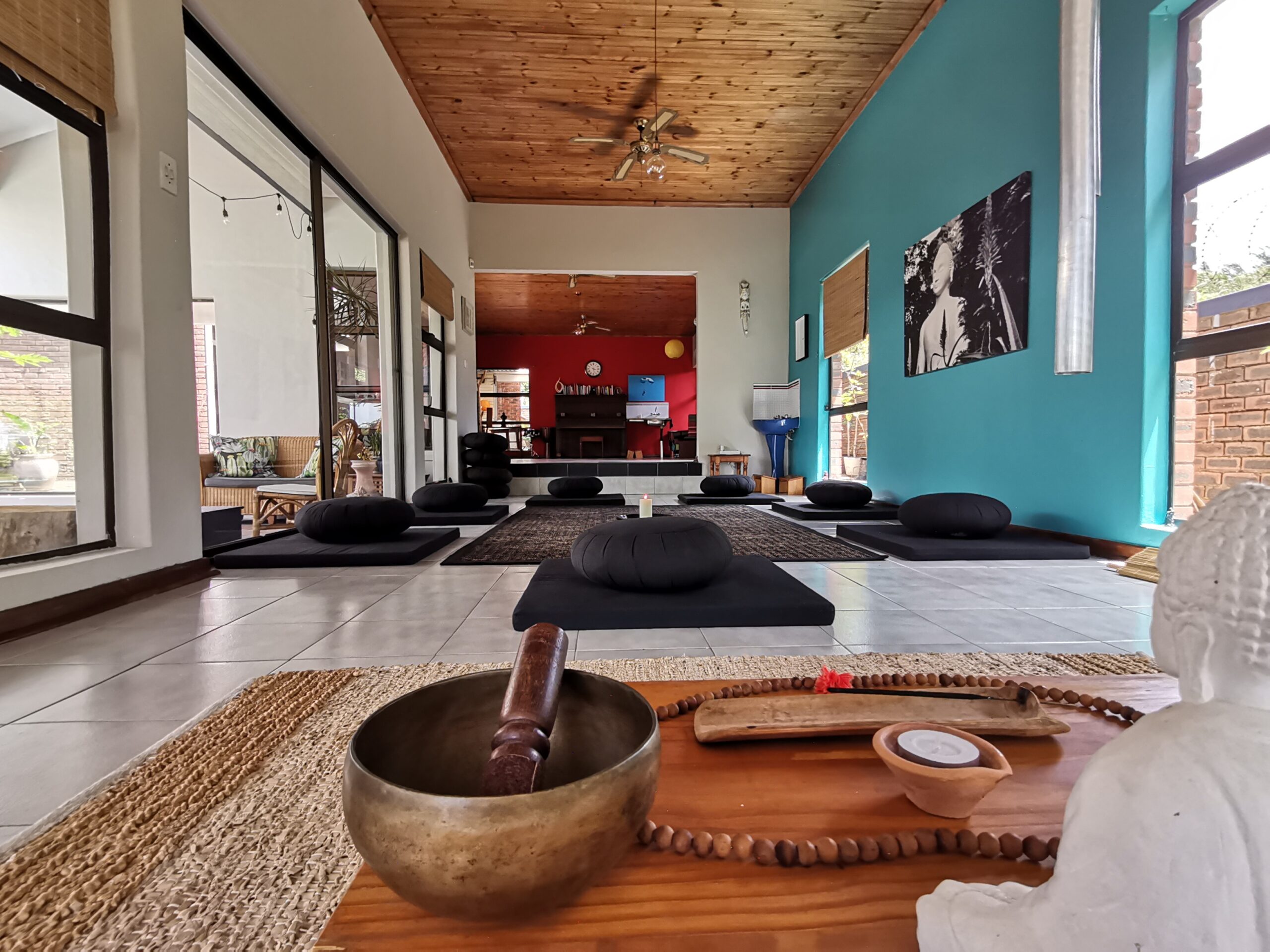
From the 1st to 18th of March we will be opening up our retreat centre in La Mercy for self-retreat therapy.ย  You can book in for any length of days where we will follow retreat style living involving: 3 healthy meals a day, noble silence in the evenings, meditation and yoga in the mornings, somatic movement therapy and philosophical reflection.ย  If you are not already a client in therapy with me, you would need to have a preliminary session with me in order to make the most of your retreat.

To book a space or find out more, please email fiona@centreforpurposefulliving.co.za

If you happen to be close enough to the Magaliesburg, please join our retreat on โ€œOn Being-No-Thing-nessโ€ from the 20th โ€“ 24th March at Emoyeni Retreat Centre.

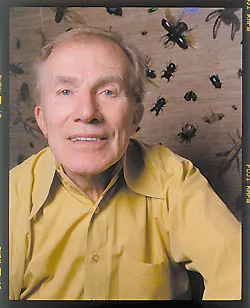
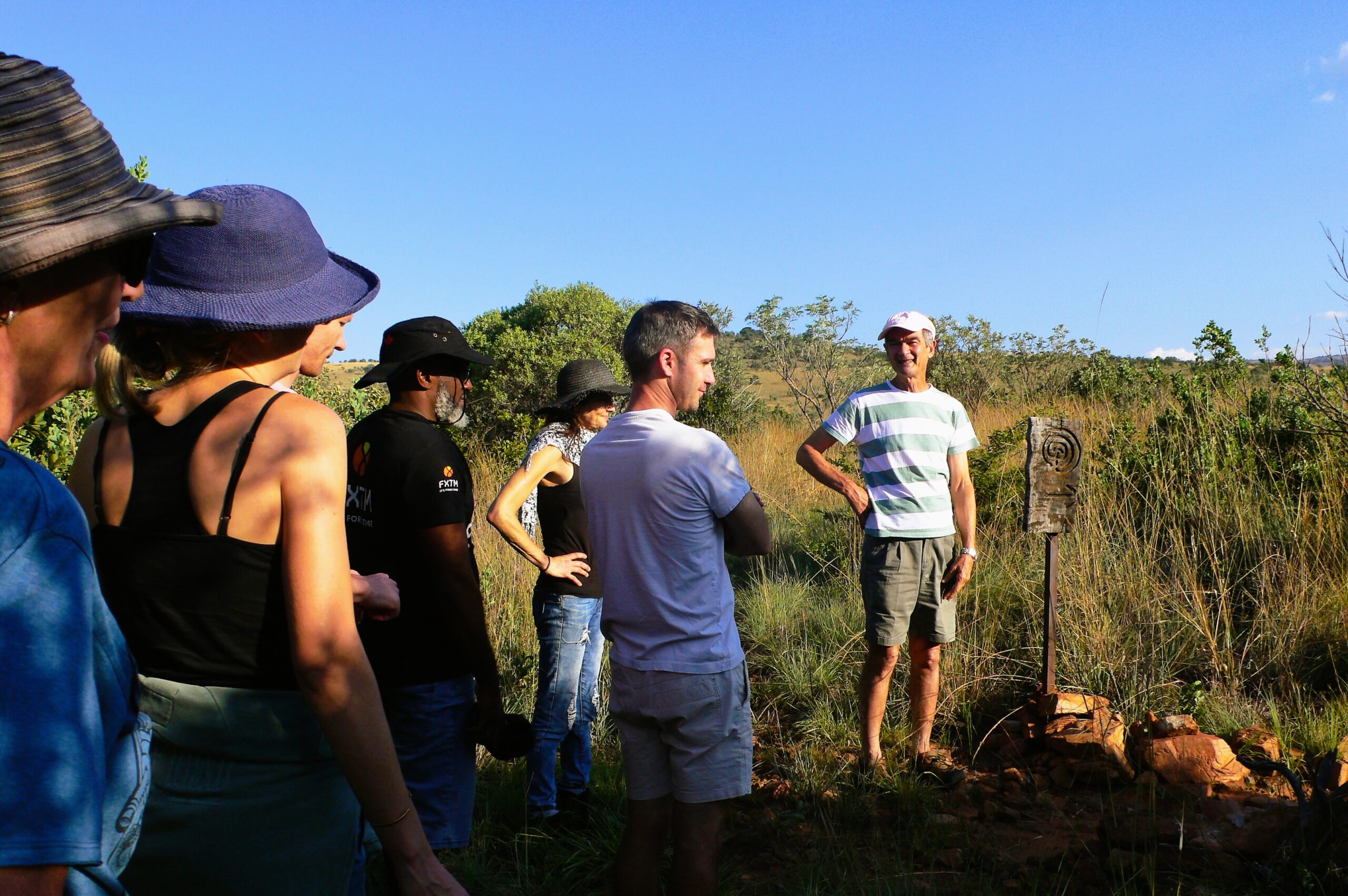
Myself with Buddhist master and brilliant poet, Mervyn Croft, at Emoyeni.

Whether you decide to join us on retreat or not, please donโ€™t miss this upcoming show with Dave Starke and Lizzie Gasford, itโ€™s a melodic lesson on love, relationships and living, on the 6th of April at Northlands Bowling Club.

On the Marginalising practices of Psychology

[vc_row][vc_column][vc_column_text]Interviewer:ย ย ย  Do you think that if you had paid for the train your life would have been entirely different?โ€

JG:ย ย ย ย ย ย ย ย ย ย ย ย ย ย ย ย ย ย ย ย ย  Listen, do you believe in God?

Interviewer:ย ย ย  Sometimes.

JG:ย ย ย ย ย ย ย ย ย ย ย ย ย ย ย ย ย ย ย ย ย  Well, ask him.ย  Ask him if my life would have changed โ€“ I donโ€™t know.


The psychological consultation can easily take the form of this kind of journalistic interview.ย  The question-answer sequence, in which the clientโ€™s life becomes an object of knowledge and scrutiny, can start to feel and sound like an interrogation process.ย  The therapist, as interviewer or interrogator, asks questions of the client with specific ideas and answers in mind.ย  We have preconceived ideas about how the world works and how a person is psychologically formed by their choices and experiences.ย  These ideas shape the questions we ask.ย  There is often the absence of a genuine question mark at the end of our questions.ย  They are more often statements than questions.ย  In some cases, they can even be surreptitious accusations of having made wrong choices, had wrong feelings, or come to failed conclusions.ย  In a BBC interview with the writer, playwright and โ€œSaintโ€ of French Existentialism, Jean Genet, in 1985 (soon before his death) – Genet is able to โ€œbreak the order of thingsโ€ (as the interviewer puts it) in this question answer process.ย  Genet was first incarceration in Mettray, one of the most severe reformatories in France, at the age of 15 (until the age of 20).ย  This was the first of many imprisonments.ย  ย Even though he was already in a habit of thieving, the offense at the time was not having a train ticket.ย  At the onset of the interview, he is asked about the โ€œfeelingsโ€ of his childhood – of not having parents.ย  A particularly psychologised line of questioning.ย  Genet refuses to take up any lines in this psychological script for how we assess our lives:

JG:ย ย ย ย ย ย ย ย ย ย ย ย ย ย ย ย ย ย ย ย ย  You are asking me to tell you my feelings as a child. To speak of them in a satisfactory way. I would have to begin a kind of archaeology of my life, which is absolutely impossible.ย  All that I can tell you is that the memory that I have of it is of a difficult period, certainly. But, in escaping the family I also escaped from family feeling- the feelings I might have had for a family, or the feelings they might have had for me. And so, I am entirely detached, and I was as a child, from any family sentiments.ย  And, it is one of the virtues of the French Public Assistance, which certainly brings up children fairly well and stops them from attaching themselves to a family.ย  Which is, in my opinion (the family that is) probably the first criminal cell.


I am not sure if I would describe Genet as having been brought up โ€œfairly wellโ€ but do we even know what that means?ย  He questions here whether the very institution of a family is a good place to be brought up.ย  You could perhaps say that his entire life, his creative works, are a challenge of normative ideas.ย  Genet may represent the possibility of something outside the โ€œincarceratingโ€ ways that we conceive of things as supposedly โ€œnormalโ€.ย  Or, perhaps, he is a genuinely traumatised man lost in his own defences?ย  Genet goes on to describe the relationship between the incarcerated: some inmates were appointed as authorities (elder brothers) over others, a relationship of dominance and submission, that was overseen by the warders.

JG:ย ย ย ย ย ย ย ย ย ย ย ย ย ย ย ย ย ย ย ย ย  If you like, the warders were the first audience and we were the first actors, and they enjoyed the pleasure of looking on.

Ironically, the interview process mimics a scene of dominance and submission, being enjoyed by an audience.ย  Dominance of interviewer (on behalf of society) over interviewee (who refused to play by the same rules) and enjoyed by myself (the audience) who now becomes the warder.ย  I become complicit in the act of objectifying Genet as a thing to be known and judged for the life he has led, looking for psychological explanations for who and why he is how he is.ย  A mirror of a scene from Abert Camusโ€™s The Outsider.


This is a position of onlooker is made readily available to us these days through the psychological and psychiatric ideas that have made there way into our everyday thinking and language.ย  We have become the onlookers of war, poverty and and the marginalised.ย  The supposedly well-meaning idea of โ€œmental healthโ€ (and therefore, illness) is simply another form of marginalisation.ย  Psychological ideas and explanations of who, how and why โ€œtheyโ€ are serve as distancing practices that keep you over there and me, safely, over here. ย Genet manages to address this in in the interview in a language that suggests we are all disempowered by this dynamic: both interviewer and interviewed, jailers and jailed.ย  He questions who has the โ€œright to speakโ€, and when? ย What are they allowed to say?ย  On the second day of his interview, he addresses the 7 people hidden from camera:

JG:ย ย ย ย ย ย ย ย ย ย ย ย ย ย ย ย ย ย ย ย ย  I had a dream last night.ย  I dreamed that the technicians of this little film revolted.ย  While theyโ€™re taking the shots of this film, they never have the right to speak; how does that come about?ย  And I thought they might have enough guts to push me out and take my place.ย  But, nevertheless, they are not moving.ย  Could you ask them how they explain that?

Interviewer:ย ย ย  Yes.ย  How theyโ€ฆ

JG:ย ย ย ย ย ย ย ย ย ย ย ย ย ย ย ย ย ย ย ย ย  How they explain this..,why they donโ€™t come and push me out, and you tooโ€ฆand say โ€˜Itโ€™s so stupid what youโ€™re saying and that I donโ€™t want to carry on with this workโ€™.ย  Ask them.

Interviewer:ย ย ย  Yes certainly.ย  Because they donโ€™t speak French.


The interviewer goes on to translate Genetโ€™s utterances from French to English (in a much-abbreviated fashion).ย  The crew fumbles with answers as the camera haphazardly moves off Genet.ย  Part of the interrogation was about Genetโ€™s choice to distance himself from society.ย  At this moment, Genet turns the interrogation onto the film crew and, in doing so, illustrates how it is these kinds of conventions, of treating people as objects to be known and questioned, that are actually the distancing and marginalising practices.

Interviewer:ย  ย  But does it interest you to break the order of things, since you were dreaming about it, do you want to break the order in this room?

JG: ย ย ย ย ย ย ย ย ย ย ย ย ย ย ย ย ย ย ย ย  To break the order?

Interviewer: ย ย  Yes.

JG:ย ย ย ย ย ย ย ย ย ย ย ย ย ย ย ย ย ย ย ย ย  Of course.ย  It seems so rigid โ€“ I am all on my own here and in front of me are 1, 2, 3, 4, 5, 6, people.ย  Of course I want to break the order.ย  Thatโ€™s why yesterday I asked you to come sit here [points to the chair he is sitting in].

Interviewer:ย ย ย  Is it like a police interrogation?

JG:ย ย ย ย ย ย ย ย ย ย ย ย ย ย ย ย ย ย ย ย ย  There is that about it, yes.ย  I told you.ย  Is the camera rolling? [Looks at camera man] Good.ย  I told you yesterday that you were behaving like a policeman and youโ€™re carrying on like that now, this morning.ย  Iโ€™ve told you that yesterday, and youโ€™ve already forgotten.ย  Because youโ€™re continuing to interrogate me, exactly like the thief I was thirty years ago was interrogated by the police.ย  [Gestures towards the rest of the room] By a squad of police.ย  And, I am alone on this little chair, being questioned by lots of people.ย  There is the norm on one side, where you are: 1, 2, 3, 4, 5, 6, 7 [pointing at people behind the camera] and elsewhere, the editors of the film and the BBC, and then there is the margin where I am [pointing to his chair] where I am marginalised.ย  If I am afraid to join the norm, then so be it.


So often, the psychologist or psychiatrist sits on the side of the supposed โ€œnormโ€ and the client or patient sits on the other side – the margin – awaiting judgment.ย  Let us rather talk in equal turns, side by side.ย  Neither of us marginalised by an imaginary audience with criteria for who and how we should be.ย  What would such a therapy look like? ย Free from interrogation.ย  You shouldnโ€™t need a ticket for the destination that is your own life.


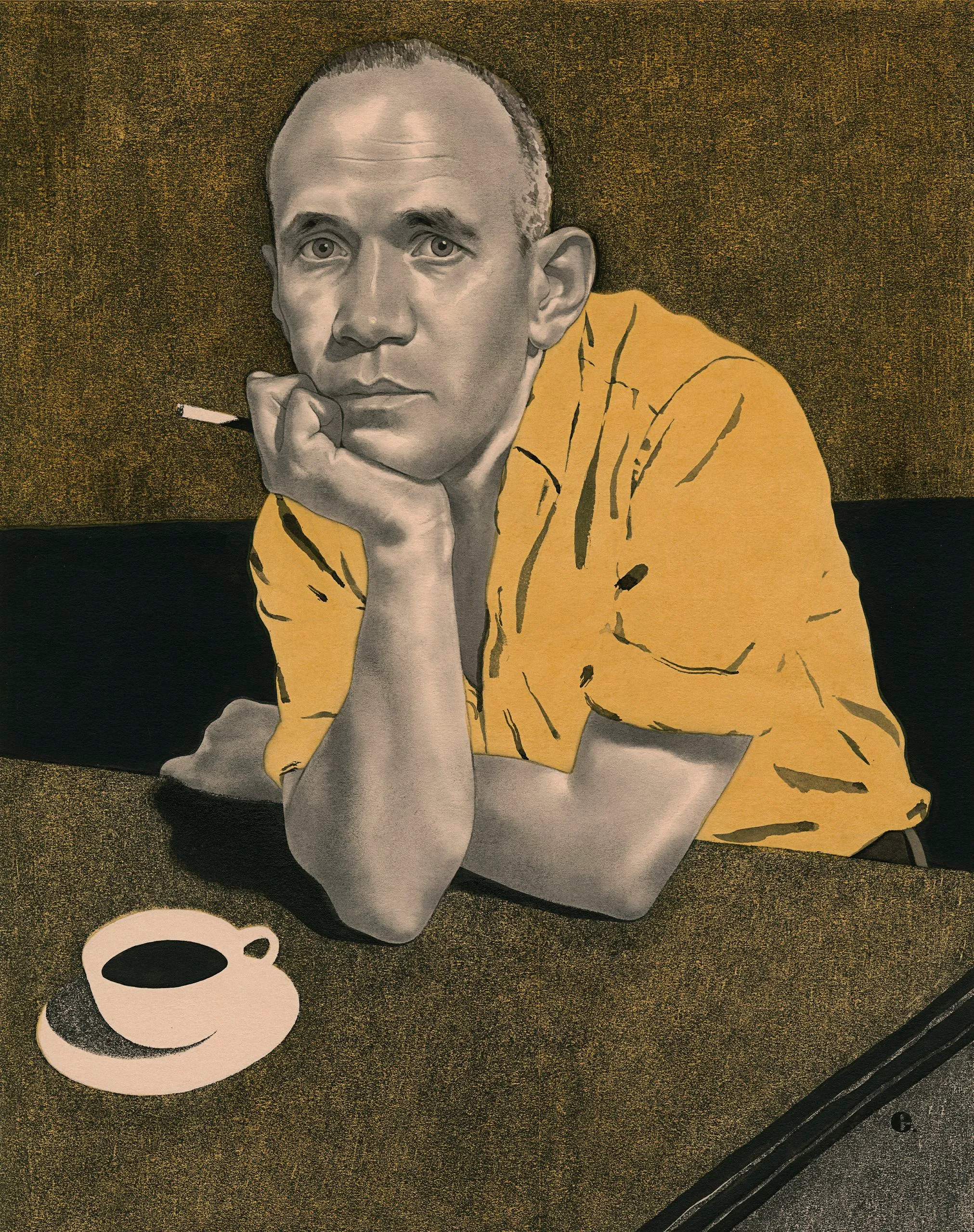
[Image used above is an illustration of Jean Genet, by Edward Kinsella, from an article in the the New Yorker][/vc_column_text][vc_video link=”https://www.youtube.com/watch?v=Cn7LWdmdyTU”][/vc_column][/vc_row][vc_row][vc_column][/vc_column][/vc_row]

Renewal 2024

[vc_row][vc_column][vc_column_text]Dear Clients [current & future],


As we enter into a โ€œnew yearโ€, a renewal, I would like to revisit what it is that therapy is, perhaps, about.ย  The word โ€œrenewalโ€ does not only imply to โ€œmake newโ€, or to โ€œbegin againโ€, but also to simply resume: to go on.ย  Much of therapy is about finding ways to simply carry on.ย  As I enter into the final months of my PhD in Philosophy and Psychoanalysis, supervised by some of the leading thinkers in the field (through GCAS), I am more and more opposed to ideas of diagnosis and cure when considering how to address the struggles that we face.ย  As Jean Paul Sartre wrote โ€œEverything has been figured out, except how to live.โ€ย  In developing my approach to therapy โ€“ Contemplative Existential Analysis โ€“ I am increasingly concerned with questions of how to live, rather than how to be โ€œcuredโ€ or even how to be supposedly โ€œnormalโ€.ย  โ€œFor if there is a sin against life, it consists perhaps not so much in despairing of life as in hoping for another life and in eluding the implacable grandeur of this life.โ€ ย (Albert Camus).ย ย  Psychology seems to have become our new priesthood and, in its sermon, provides the false promise of eternal happiness โ€“ if you just follow its prescribed self-affirming steps.ย  The therapy I invite you to join moves away from happiness as the goal, focusing on awareness: on what it means to be conscious creatures.ย  Our struggles that have traditionally been divided up into diagnostic categories are reconsidered as hints of what it means to be human.


Whether we are dealing with relationship struggles, addiction, grief, trauma, depression or anxiety โ€“ I invite us to, first and foremost, be human, together.ย  In being human together, the focus is not on the individual person as the โ€œproblemโ€ but on our struggles with what it means to exist within the context of our own lives.ย  This requires bringing awareness to the relationships that shape our lives:ย  the relationships of the past, the relationships in your present, the relationship you have with your own self and the relationship you have with the idea of a future.ย  Even though our conversations welcome an awareness of these relationships into the room, the actual people in your current life are always welcome to join you in person.ย  This also means that we must appreciate that you and I are entering into a particular relationship.ย  Although this relationship is somewhat contrived, as you are paying me to be available to you, I have learned to deeply value the nature and intensity of this relationship.ย  I am learning to pay more attention to this relationship, reflecting on it with you as we go along.ย  There are also certain practical considerations in the maintenance of this relationship.ย  These considerations are more relevant than ever given that we are moving into an increasingly virtual world.ย  I would, therefore, like to request that we uphold the following:

  • To start our sessions timeously (a note to self).
  • To stick to the prescribed time frame of the sessions. After much consideration, sessions will revert to the classical โ€œtherapeutic hourโ€, which is 50min.ย  I have found that this structure gives the conversation enough impetus for us to get to a meaningful place in each conversation.
  • If we are meeting online: to try and always meet in a space that is comfortable and private enough, free from distractions (closing all other browsers, windows, or messaging apps); with a clear view of each other (to allow for body language) and a good enough connection (keeping in mind that this is not always possible in South Africa). It is preferrable that you are not eating a chicken pie over the dashboard of your car in your lunchbreak.
  • In the past, clients have been able to book ad hoc sessions with me. However, I find that it is much more constructive for us to approach your concerns in a more deliberate way โ€“ to commit to either weekly (ideally at first) or fortnightly sessions on a particular set day or time.


Outside of this structure I would, however, encourage us to try other formats of therapy.ย  I have found, for example, that walking and talking are very good practices.ย  It has been very helpful to take walks with clients, even when we are in different cities or landscapes (again, it helps to share a visual of this experience).ย  I also encourage written reflection on our meetings and you are welcome to send me some of your written thoughts, accounts of your dreams, letters to people in your life, or questions you are busy with.ย  I am unlikely to have enough time to send detailed replies, but I will make sure I take a look at these so that we can go through them in our sessions.ย  I am also busy with my own writing, and you may make an anonymous appearance.ย  I will, however, always share anything I write about our sessions with you.


Lastly, I would encourage you to join us on retreat to make the most of a Contemplative Existential Analysis.ย  You are invited to come and self-retreat at any stage at our suburban retreat centre The Centre for Purposeful Living.ย  Couples and families are also welcome to book in for a live-in therapy experience.ย  We will be hosting more structured therapeutic retreats later in the year.ย  Please let us know if you are interested.ย  In addition to our own retreats, I offer two annual (post)Buddhist retreats in the incredible settings of renowned Buddhist Centres.ย  The first will be from the 20th-24th March 2024 at Emoyeni, on the northern slopes of the Magaliesberg mountains; and the second will be from the 6th-11th September 2024 at the Buddhist Retreat Centre in Ixopo, at the foothills of the Drakensberg.ย  These retreats involve a merging of Secular Buddhist practice with Existential Philosophy.


I look forward to our encounters this year.


โ€œThe end is in the beginning and yet you go on.โ€ – Samuel Beckett.


Sincerely,

Jason

[/vc_column_text][/vc_column][/vc_row]

On being “no-thing-ness” (Day 3/5)

The Psychology of meditation

Ultimately, through a meditative approach to analysis, we are hoping for a different kind of insight. We are hoping for something more felt and instantaneous in consciousness, something that words can only try and make room for but that cannot be found in words themselves, but in the pauses between them. This is a shift away from the tendency to name, explain and pathologize our struggles as conditions of a self-like-structure. It is an invitation into an appreciation of the self as an unfolding process in relationship to a world it is embedded in.

For an Existential Phenomenologist, the task of the philosopher is to skeptically enter her own stream of consciousness and describe what she finds there. This fits neatly with the ambitions of insight-based meditation or Vipassana and the intention of โ€œbeing with what is, no matter what it isโ€. Even though Irvin Yalom (esteemed Existential Psychotherapist) is not a meditator he prescribes solitude, silence, time, and freedom from distractions, as the ultimate therapeutic method. However, as Montaigne might have proposed, solitude without method can be at best fruitless and at worst dangerous. Traditional Buddhist methods of solitude can also be rather mentally destabilising for the average Westerner. Solitude does not even have to mean being completely cut off from other people or our everyday lives. Solitude (as an attitude) can simply be a method of making it possible to attend to what is really going on, right here and now. This could be awareness of a particular anxiety; a strong craving; or ways in which we may be feeling relatively stuck or depressed. Vipassana offers us a specific way of being aware of these states of mind, in their moment to moment unfolding, saving us from being overly swept away by them. Although it can be seen as a kind of training exercise, this way of being in the moment does not only apply to when we are formerly sitting on a meditation cushion. Ultimately, it is a means of practicing coming to terms with what is really going on and what it means to be alive.

In a recent interview with Trevor Noah, Jim Carey summarises existence as โ€œNone of this is real and all of it is true.โ€ When it comes to thought and emotions, how do we distinguish what feels real from what is true? Vipassana offers a method for this; a systematic means of attempting to see things as they arise, or as the phenomenologist would say โ€“ as they are given to us in consciousness.

The origins of Mindfulness

Vipassana emerged out of Southeast Asian countries, such as Burma. Due to increasing contact with the West there was a need to preserve aspects of their own culture, therefore returning to some of their own original teachings. Simultaneously, there was a growing interest from some Westerners (partly brought on by the influence of psychedelics) in exploring what human consciousness was all about. Western curiosity and distilled Buddhist teachings found a meeting place in these countries. Vipassana is now widely considered by many Buddhist teachers as foundational to meditation and is particularly secular in its focus. Vipassana is sometimes knows as โ€œinsight-based meditationโ€ but in the western world it has become popularised as โ€œmindfulnessโ€.

The Basic Method

The basic method is to start with finding calm. This is followed by the main task – sustained attention to the โ€œpresent momentโ€. From this perspective, access to the โ€œpresent momentโ€ lies in our sensorial experience. Most typically we rest our attention on either our breath or sound. These are known as meditation โ€œsupportsโ€ or โ€œanchorsโ€. The anchor you choose can have a slightly different impact on your experience, each with its own challenges and benefits. Following your breath tends to help you achieve calm, it puts you in touch with our own facticity (the fact that you are in a living breathing body) and it is a sign of life that is unfolding in the moment. However, even though breathing happens automatically, we have the ability to manipulate our breath which can get in the way of an attitude of being with things as they are. Allowing your attention to rest on the sounds around you can sometimes be a bit more difficult to access, but sound is truly a phenomenon of this moment. Sounds tend to arise and fall much like thoughts do and attention to this coming and going can help one ease into a meditative attitude. Our tendency, however, is to name and embellish the sounds, make more of them then what is actually there.

The objective is to have no objective, to try and inhabit a sense that there is nothing to be done and nothing to be achieved. We spend most of our day in a doing, thinking, achieving mindset. It is often taught that one should imagine you had two minds, one for thinking and one for observing and it is the observing mind that you want to enter into. My phenomenological critique is that it is unlikely that there is an observer behind consciousness from which we experience the world. It is, nevertheless, fascinating that there is a faculty of consciousness that takes on this experiencing role โ€“ the reflective awareness that an experience is being had. We wonโ€™t go into this now but there are likely to be many cognitive faculties involved here, including working memory. However, what seems to make room for this ability to observe rather than become swept away in participation is an attitude of โ€œimpartialityโ€. Part of this artistry lies in resting our attention on our sensory experience โ€œeffortlesslyโ€. The most common challenge is that we try too hard.


The inevitable arising

What you will experience is the inevitable arising of thoughts. Thoughts simply stir up of their own accord. This is not thinking. Thinking then occurs in how we engage in these original stirrings in the mind. It is remarkable to notice just how attached we are to our own thoughts and thinking. The task from here is perplexingly simple โ€“ when you realise that you have been swept away by your own thinking, you notice this, where you mind has taken you, and you gently bring yourself back to the sensory support. This helps us achieve a stance of impartiality we are hoping to develop. It is important to note here that the task is not to achieve a state of no thought: thoughts and thinking are inevitable, but the Buddhist attitude is that โ€œthoughts in themselves have no powerโ€.

As we continually bring ourselves back to the anchor, we start to make room for a clearer view of things as they are, that is less clouded by our own reactivity. As we become more rooted in a stance of being able to observe ourselves with impartiality, we get an increasing sense of โ€œthings as they areโ€. Over time, this gives rise to a more spontaneous kind of insight. In other words, this is not a cerebral kind of insight but a simple seeing and accepting things for what they are. Over time, regular practice allows for a clarity of mind that, ironically, cannot be the achieved through striving to achieve it. Although the initial practice is to continually bring yourself back to the meditation support, training sustained attention, practitioners like Stephen Batchelor promote a progression to attending to all that is given to us in consciousness, thoughts included. It is, therefore, important not to enter into a wrestling match with your own thoughts but to reach a point where you can attend to their naturally arising as if they were a passing sensation. The outcome is necessarily about achieving a state of bliss or calm, but rather practicing being with things as they are without becoming overly reactive, making room for a quality of attention to experience that helps brings insight. This is not easily achieved at first and so what follows are a few basic suggestions drawn mostly from Stephen Batchelor.


Basic steps to Vipassana

Attending
Simply bring your awareness to your own breath. Actively using your breath to achieve a sense of calm in your body. Taking deep, deliberate breaths at first. Begin to follow the breath all the way in and all the way out. Perhaps taking special note of the pause between breaths. Allow the sensation of your breath to bring attention to the fact that you are sitting here in a living breathing body, pinned to the world by gravity. When you are ready, allow your breath to return to its natural rhythm. Try not to interfere with the breath any longer. Simply notice how your body breaths, on its own accord. This is where we can begin to practice approaching experience as an impartial witness, entering into the capacity to experience yourself experiencing. Let your attention come to rest on your breath. See if you can allow your attention to ride your breath all the way in and all the way out.


Arising

Even though you are attending to your breath. It is simply your anchor. You can still cultivate an openness to whatever is going on in this very moment: bodily sensations; the natural and inevitable arsing of thoughts; underlying feelings or attitudes (even towards yourself); the sounds of life around you. It is remarkable how thoughts inevitably arise as brought in from some deeper current stirring in the mind. It is difficult to sense their moment of origination and by the time we know they have arrived, we are usually already caught up in them: usually taking the form of fantasies about the future or rehearsals of the past. This is also where our Ahamkara (โ€œself-makingโ€) becomes most obvious through our preferences of like โ€“ donโ€™t like; want โ€“ donโ€™t want; me โ€“ not me: an ongoing tendency of grasping and aversion. But, when you find yourself lost in thoughts and thinking, you simply notice that where you have ended up, what you are doing there, perhaps even how you get there and remind yourself that you can anchor back into the sensory support. In this way the sensory experience (usually your own breath or the sounds around you) serves as a reference point for the what is going on here and now. This is not so much about clearing your mind of all thoughts but in gaining perspective on your own experience and, especially, on how thoughts and thinking colour that experience. The problem is not the thoughts in themselves but how we involve a self in these thoughts. A good term for this is reactivity.


Reactivity

Thoughts arise seemingly out of nowhere. They donโ€™t seem to require much conscious involvement from us in their initial arising. But as they arise, we become more and more involved in them. There are many habitual ways in which we become involved in them. Some unique to ourselves but, overall, we seem to have many shared tendencies (especially within any given culture). For example, we make constant comparisons โ€“ โ€œis this good or badโ€ and react accordingly through either clinging on to that which we like and showing aversion for that which we donโ€™t. This seems obvious and harmless but it is the foundation of the โ€œIโ€ position we discussed in Day 2. Not only do we establish an โ€œIโ€ but when we judge these thoughts as good or bad we judge ourselves for thinking them. The intention is to participate as little as possible in the arising of thoughts as we take note of the shape and shaping of these thoughts. Over time, this gradually introduces us to the reactive nature of our minds. The hope is to move away from habitual reactions to more conscious responsiveness. Much like the relation between dreaming and lucid dreaming โ€“ there is a quality of awareness that we would like to introduce that enables us to participate more effectively in our own lives. The basic premise is that unnecessary suffering is caused by attempts at escaping things as they are. From this perspective, the therapeutic outcome is a facilitation of โ€œembracing the totality of experienceโ€ to use a phrase by Stephen Batchelor. Perhaps following from his interest in Buddhism, R.D. Laing suggested that:

โ€œThere is a great deal of pain in life and perhaps the only pain that can be avoided is the pain that comes from trying to avoid pain. โ€


Sati Sampajanna

What we call โ€œmindfulnessโ€ in the West refers to the Sanskrit term Sati Sampajanna which can be translated to โ€œremember the presentโ€. In order to โ€œremember the presentโ€, we continually bring ourselves back to the meditative support: something to hold us in the here and now. It is our senses that give us the most reliable access to the present, but they can also serve a place of refuge from how incessantly restless and reactive our minds are. If we break this term down โ€“ to remember the present โ€“ it may not just be about being in the moment (as is commonly understood) but in re-collecting ourselves around this moment. It would be almost impossible to function only in this moment and only from moment to moment. Much of life requires an anticipation of the future. It may even be possible to hide from life in the present moment. The objective here is, therefore, much more therapeutically minded โ€“ to use the reminder of the sensuous immediacy of what is happening here and now to help prevent us getting overly consumed by neurotic and delusional preoccupations with past and future. The preservation of a โ€œselfโ€, the โ€œIโ€ position that arises in relation to thoughts and experience seems instrumental in perpetuating our neuroses and delusions.


Spaciousness

Over time, what we intend to cultivate is a certain openness or spaciousness where the habitual patterns of the mind tend to lose their momentum. This may allow for a bit more freedom from our own reactivity to what we believe is going on in the here and now (often clouded by past ideas and experiences). This is where ideas about our โ€œselfโ€ become less fixed and where we might find it a bit easier to โ€œbe with what isโ€. This also requires the practice of letting go of attachment to our thoughts, feelings, aversions, and cravings. The present moment, therefore, serves to hold us as we let go of the fixed grasp we have on an โ€Iโ€ position (this is me, this is mine) in relation to experience. Experienced meditators often describe this as a feeling of spaciousness.

Coming to terms with our habitual tendencies:

1) What are particularly habitual thoughts you may be having at the moment?
2) What kind of reaction do you have to these thoughts?
3) What โ€œIโ€ position is involved in these thoughts?
For example: 1) โ€œDid I leave the stove on?โ€ 2) โ€œThe house is going to burn downโ€ 3) โ€œI am such an idiot, I always ruin thingsโ€.

Can you see how, when the self takes up a certain position towards a thought or experience, there is usually some sort of identity attached to this position – โ€œI am such an idiotโ€. There is usually also a theme or story in your life that form part of this identity formation โ€“ โ€œI always ruin thingsโ€. This identity and these themes tend to inform what we anticipate about the future. But, what if we made room for something new?

On being “no-thing-ness” (Day2/5)

An existential Buddhist analysis of the self as the โ€œstruggle to existโ€

Day 1: The Phenomenology of Consciousness as Sunyata

For Sartre, consciousness is a lack. To understand consciousness is to understand lack. It is a โ€œlackโ€ because consciousness is only ever consciousness of some โ€œthingโ€. Consciousness, in itself, is empty. It is from an appreciation of this โ€œlackโ€ that all other existential givens (emptiness, impermanence, angst) potentially flow. The idea of consciousness as a โ€œlackโ€ also offers an alternative explanation to what traditional psychology interprets as โ€œpathologyโ€: both psychosis and neurosis are born out of a particular relation to this lack. But it is not only modern psychology that might have misrepresented what flows from this lack. For example, religious Buddhists are in the habit of problematising desire. For the existentialist, especially a Sartrean, desire is inescapable because of how it flows from this fundamental โ€œlackโ€. When we talk of desire, here, we are not only talking about sexual desire but all and any desire can be seen as a longing that springs forth from our lack. Ultimately, our longing is to be something solid. As my PhD supervisor, Prof Kevin Boileau succinctly illustrates in Essays on Phenomenology and the self (2012):

Consciousness is lack and, as such, creates its own fundamental project that varies among individuals. But for all of us this desire is a desire for a future fullness, which is the desire to be a substantial self and yet to remain a free consciousness. It is a desire to be an object among objects while remaining free, which is an impossible project according to Sartre.

This is where Buddhism, read as a radical existentialism, makes sense: It is not so much that desire is bad (as religious connotations would have it) but that desire (or tanha in Buddhism) is an โ€œimpossible projectโ€ as we never really fulfill our desire for โ€œfuture fullnessโ€. This also links to the Buddhist idea of โ€œanatmanโ€ – denial of the self. As already mentioned, there is no self to be found as the originator of consciousness. In the more radically existentialist branches of Buddhism (proponents of Early Buddhism or aspects of Zen Buddhism) there isnโ€™t even a likening to Sartreโ€™s idea of a โ€œpure consciousnessโ€ (the appreciation of conscious experience free of ideas about the world), only a โ€œsense consciousnessโ€ (the censorial, non-dual immediacy of consciousness in world). See for example, this verse supposedly uttered by the Buddha (source unknown):

In what is seen there should be just the seen
In what is heard there should be just the heard
In what is sensed (smell, taste or touch) there
should be just the sensing; in what is thought
there should be the thought.

In Buddhism, everything, including the self is โ€œsunyaโ€ – lacking essence. Everything arises and falls according to conditions; nothing is self -determining and we live out a constant attempt to fill this lack. As David Loy points out, in Lack & Transcendence (2018), even our sense of time may originate from our attempts to deal with this lack. Without our concepts of time, we risk falling into an abyss. However, with a sense of self comes an underlying fear of lack as there is nothing solid to this sense (of self) – it is as fleeting as any other sensation. The โ€œsense of selfโ€ is exactly that โ€“ a โ€œsensationโ€ (or a collection of sensations). Anxiety is, therefore, not something we have, or suffer from, but something that we are. Anxiety is the knotted belly of the sense of self because what underlies our sense of self is a dread that we, actually, do not exist. This usually manifests as fear of death. In order to shrink back from this anxiety, we tend to shrink away from life itself. It is not just our own death we fear, it is as if we fear being rubbed out by experience and so we cling to ideas of who we are. In this way, as David Loy puts it, fear of death doubles up as a fear of life. From this perspective, Buddhist methods can be viewed as a means of embracing the totality of life rather than a nihilism (as it is often interpreted as). But, to embrace life, we must embrace death or at least โ€œlackโ€ – Sunyata.

It is well-established practice to consider death in existential analysis. However, death tricks us: death is most present in its absence, when we are alive, but when we are finally dead we are not present to our own death. Our death is ever present, through our anxiety about it, and yet never fully realised. The radical existential view is that there is nothing to fear but our own โ€œno-thing-nessโ€. However, according to both Buddha and Sartre, being โ€œno-thingโ€ is the actual answer. David Loy speaks about how meditation can be a practicing of death without dying. For Loy, it is not so much that we fear death (as many other Existentialists might report) but that we suspect that we donโ€™t really exist in the first place. Therefore, much of our behaviour (and our neurosis) is perhaps fed by this fear of our โ€œnothingnessโ€. Perhaps we all, ultimately, yearn to have some sort of special value or meaning in the world? And, it is perhaps only through the โ€œotherโ€ (through the way is which others hold us in regard) that we hope to feel โ€œrealโ€ enough (this facilitative role of the gaze of the โ€œotherโ€ will be explored in further in Day 4.

The experience of โ€œthingsโ€

It is not all lack, we still have an experience and it is important to understand experience in order to deal with it. It was Husserl, the pioneer of phenomenology, who pointed out that conscious experience is always in regard to some โ€œthingโ€ and the experience of these things is clouded by the concepts that we have about them (I would add here – clouded by the concepts we have about ourselves and others). Husserlโ€™s phenomenological ambition was an attempt to โ€œget back to things themselvesโ€ and to achieve this, he suggested that we โ€œbracketโ€ our ideas about the world in doubt. Consciousness is also not a continuous or solid event, but is made up of individual โ€œmind momentsโ€ (to use a Buddhist phrase). These โ€œmind momentsโ€ occur within the context of a state (or as Heidegger might call, a โ€œmoodโ€). Consciousness is more of a constant flux between these states than a continuous experience. Sartre adds to Husserlโ€™s work by indicating that we construct an โ€œIโ€ (and a โ€œyouโ€ for that matter) that we treat as a โ€œthingโ€ to be held in regard in consciousness. Furthermore, the โ€œselfโ€, this supposed โ€œthingโ€, is something we try and anchor into within the flux of consciousness. Yet, as with all โ€œthingsโ€, the self remains empty of any โ€œself-beingโ€ or โ€œself-originationโ€ (again, these are common Buddhist phrases that I am applying to phenomenology). It becomes particularly troublesome when we encounter another consciousness in consciousness as our tendency is to reduce that other experiencing subject into a thing (just like any other thing, such as a table or chair). We will explore this a bit further in Days 4 and 5.

We are essentially meaning making creatures, yet, at the same time, we also have the capacity to โ€œdis-identifyโ€ with the meanings we have attached to things. Phenomenology is an attempt at bracketing our ideas about the world in order to reveal how they potentially obfuscate experience. This is, perhaps, to some extent what meditation is โ€“ a practice of dis-identification (or unlearning) of the concepts we attach to things and how we experience them. But, the meaning we give to things are not stand alone โ€œthingsโ€ in our heads, they are manifestations of overall, shifting, states of mind. Put another way: our thoughts are very much caught up in our states of mind, like driftwood in a current. In psychology this is called โ€œmood congruent thoughtโ€, but it seems even more encompassing than this โ€“ my state of mind colours the world I experience and, therefore, how I tend to react and act in response to it. Furthermore, my actions and reactions seem to have a way of perpetuating the states from which they arose.

Mervyn Croft guiding us to the Labyrinth

Consciousness and โ€œIโ€

Can Husserlโ€™s ideal of โ€œpure consciousnessโ€ ever be experienced? Is this the fantasy of enlightenment that Buddhists have entertained all along? Can we ever truly see things โ€œas they areโ€? Is experience not always adrift in a murky sea of language? Is consciousness ever a state-free experience? Perhaps the best we can hope for is that a meditative attitude towards experience puts some insight generating distance between our experience and the meaning that we give to our experiences? In the end, the problem may not be that we are thinking animals, or the thoughts in themselves (the meanings we give), but the fact that we cling to these โ€œthingsโ€ (thoughts, meanings, assumptions, conclusions) so tightly. It seems possible that even the states we donโ€™t seem to enjoy are sometimes clung to out of fear of unbecoming what we think we are.

Yet, for Sartre, consciousness in its purest state is spontaneous and autonomous; โ€œnothing except consciousness can be the source of consciousnessโ€. Likewise, a commonly purported verse from the Buddha being โ€œthere is no thinker only the thinkingโ€. Sartre did, nevertheless, concede that in โ€œI thinkโ€ there is indeed an โ€œIโ€ that thinks. But, he proposes that it is an error to misinterpret this โ€œIโ€ for a โ€œself that has been there all alongโ€. It is only upon reflection in consciousness that an โ€œIโ€ is constituted. Therefore, we donโ€™t discover a self through reflection, we create a self by reflecting on experience. If we take any guidance from Sartre, the notion of โ€œintrospectionโ€ is an unreliable process as reflection always โ€œaffirms more than it knowsโ€. Therefore, his conclusion is that we should attempt to return to the reliability of โ€œinstantaneous consciousnessโ€, or in Buddhist terms โ€œsense-consciousnessโ€.


We can therefore conclude that the unreliable process of โ€œthinkingโ€ takes up an โ€œIโ€ position. We can also entertain that in meditative practice, it is not the self that relinquishes thoughts (as it is often instructed in meditation guidance material) but the thinking that momentarily suspends its โ€œIโ€ position. A therapeutic event could, therefore, be the process of finding the ongoing freedom to relinquishing the โ€œIโ€ position in consciousness. It is unlikely that this becomes a permanent state but rather that this makes room to giving rise to renewed self-constituting moments? A therapy based on these ideas appreciates how we reconstitute a self in every given moment, encouraging a more nimble mental process.

โ€œDo you think I count the days? There is only one day left, always starting over: it is given to us at dawn and taken away from us at duskโ€ – Jean Paul Sartre

Not making objects of ourselves

Following on from phenomenology, Existential Psychoanalysis attempts to understand consciousness as an experience, from the inside out, rather than explain it as a thing from the outside in. Our โ€œsense of selfโ€ is considered to be a part of this experience rather than an objective thing to be accurately known and from which we reliably experience the world. A primary aim of Existential Psychoanalysis is, therefore, not to treat people as mere things. Taken even further, time, space and consciousness are not the containers of who we are. Rather, we are manifestations of time, space, and consciousness. We are time, form and consciousness busy happening. Existential Psychoanalysisโ€™s interest is not limited to intrapsychic processes (the things that go on in our heads) and does not take for granted that the models we have for how consciousness is structured tangibly exist because consciousness cannot be understood from some objective external viewpoint. Not only does an existential approach treat these models (for example, of consciousness and unconsciousness, or ego and superego) with caution, its interest extends beyond the notion of a mind to an interest in how the world is given to us in consciousness, and an understanding of the encounter between our being and the world from which it manifests. What happens, in a continuous flow of fragmented moments, when the surface of our being makes contact with a world? Taken a step further, from an Existential perspective, the beauty of consciousness is that it allows us some intervention in our own existence: we are not just amoebas floating in an indifferent universe and we are not purely at the mercy of our own drives and supposedly unconscious processes. It is with this in mind that we turn to Secular Buddhist methods of meditation as a means of discovering how the world is given to us in consciousness (explored further in Day 3).


Letting go of what?

When it comes to mediation, there seems to be a misconception that it is a means of โ€œclearing your mind of all thoughtsโ€. It seems possible that the attitude of an โ€œIโ€ that lets go of a thought will simply serve to solidify this โ€œIโ€ by keeping it vigilant to the threat of new โ€œdistractingโ€ thoughts. This is a potential language trap that much of modern Buddhist teachings fall into. But if we return to some of the original teachings, as already mentioned there is no thought without a thinker and no thinker without thoughts. Both thinker and thought are simultaneously arising events. It is more likely that the meditation is about relinquishing the โ€œIโ€ position taken up in response to an event/experience/thought than relinquishing the thought itself. In Buddhist terms this requires an attitude of โ€œequanimityโ€ towards all of experience.

This brings us back to Husserlโ€™s basic premise: that consciousness is always a consciousness of something, what became known as โ€œintentionalityโ€, highlighting that experience is always directed towards things in the world. Building on this, he pointed out how we develop a โ€œnatural attitudeโ€ towards experience whereby we readily accept the โ€œgivennessโ€ of the world around us as we encounter it. We have a tendency to include our โ€œselfโ€ and the selves of others as these actual objects (an idea elaborated on by Sartre and his notion of the โ€œGazeโ€).

The main concern here is that in order to deal with the inherent emptiness of consciousness we make objects of ourselves. We do this through clinging to our own thoughts and ideas. This tends to lead to an increasingly rigid, anxious and inflexible response to experience. The therapeutics of meditation is in relinquishing a fixed I position towards experience. Put simply, when I say โ€œthis is who I amโ€ I take up a rigid position and become the sum of my responses to experience.


An exercise in not making an object of the โ€œselfโ€:

Think of an experience you are having or have recently had. Think of the response or reaction you have had to that experience. Now think of the โ€œIโ€ position (your beliefs about yourself, your wishes for yourself, the things you are avoiding for yourself) in relation to this response to the experience. Try and suspend any beliefs you have about yourself, relinquish the wishes you have for yourself or try and embrace the things you are avoiding in relation to this experience โ€“ how does this leave you feeling? Do any other options become available to you?

Can you think of when you most vividly experienced yourself as the object of someone elseโ€™s consciousness? When they decided for you who or how you should be? Perhaps a parent, a spouse or a friend deciding for you what is best. Can you think of the effect it had on you? Can you think of the categories you are in the habit of identifying with mother/father/lover/professional/son/daughterโ€ฆthis or thatโ€ฆ kind of person? Can you think of the script these identities come with of who and how you should be? When are these categories experienced as helpful? When are these categories experienced as limiting?

Can you think of a time when you might have treated someone as an object within consciousness? In other words, when you lost sight of the fact that they are having an experience of their own. Perhaps you decided for them what they should or should not be thinking or doing? How often do we start a well-intended sentence with โ€œdonโ€™t you think you shouldโ€ฆโ€ or โ€œwhy donโ€™t youโ€ฆ.โ€? Or, when you simply presumed that you know best for them or better than them? Can you imagine how this might rob them of a sense of agency? Taken even further, can you think of a time when you might have treated someone as if they where there for nothing but your own utility? Think of how we so often tend to treat shop attendants. How often do we fully appreciate that there is another consciousness looking out at as (in all sentient beings) having an experience?


On being “no-thing-ness” (Day 1/5)

An existential Buddhist analysis of the self as the โ€œstruggle to existโ€

Day 1: A view on Self

(Day 1 of a retreat hosted at Emoyeni Retreat Centre, Mooi Nooi, South Africa)


This retreat considers an intersection between Existential Philosophy, Buddhism and Psychotherapy. It is based on the assumption that we all bring our own personal struggles with the โ€œselfโ€ to a retreat setting in the hope that Buddhist practices may bring some transformation. The traditional Buddhist solution is that the self is an illusion. But, what does this mean for practical functioning in the everyday world. What I propose is that it is better to treat the self as a construction (an interdependent arising โ€“ to use Buddhist language) rather than a complete illusion. Ultimately, the โ€œselfโ€ that we bring on retreat can be viewed as a โ€œstruggle to existโ€ that arises out of sensory contact with the world, giving rise to conscious experience that is then reflected upon (made sense of in consciousness). Conscious experience is opaque or transient and, therefore, uncertain, lacking or unsatisfactory. In response to this we either 1) enter into a struggle to make something solid and lasting out of experience (such as entering into a project of โ€œhavingโ€), or 2) flee from the sensation of what it means to exist, taking refuge in alienating habits. The self can, therefore, be said to be a โ€œstruggle to existโ€.

View from our comfortable stay at Emoyeni

What does it mean to have a โ€œsense of selfโ€? Is this a feeling? Is it an actual sensation? We all seem to have a felt sense of what it is like to exist. My sensation of self seems to be only accessible to me: I can never have direct access to yours, or you to mine. In the field of phenomenology this is probably best described as โ€œhedonic toneโ€: a felt sense of what it means to exist on a sensory level that gives rise to the sensation of pleasure or pain. But, beyond this basic sensorial experience, what are we referring to when we talk about a โ€œsense of selfโ€? In a public address to the Spanish people, Leonard Cohen tells the story of how he found his voice:

It was only when he discovered the Spanish Poet, Lorca (even in translation) that he had a sense of permission to have a voice of his own: โ€œIt is not that I copied his voice, I would not dare, but he gave me permission to find a voice, to locate a voice. That is, to locate a self, a self that is not fixed, a self that struggles for its own existenceโ€. This provides a succinct rendition of self: something that is โ€œnot fixedโ€, not a thing at all but a โ€œvoiceโ€ that โ€œstruggles for its own existenceโ€. Similarly, for the Existential Psychoanalyst, the self is not a fixed thing brought into therapy to be successfully treated. The self is found at the place where consciousness and the world meet, in the struggle to comprehend what it means to exist. If psychotherapy is, therefore, an attempt to understand what it means to be human and the struggles that we face in response to our own existence, surely it should begin with an understanding of consciousness – our primary relation to the world? Therapy, much like poetry, serves as an attempt to give language to this juncture where consciousness meets a world. In this way, therapy finds a โ€œselfโ€ that is not a fixed structure but a โ€œvoiceโ€ from which experience is articulated. The self is not a thing but an action, a relation and an articulation.

If Buddhism teaches a doctrine of โ€œanattaโ€, or non-self, how is it even possible to function without a self? What are the therapeutic implications for having and not having a self? What role does the self play in functioning in the world? And, how would one function in the world without a self?

When we ask these kinds of questions, paying closer attention to the sense of self, we realise that it can be experienced in multiple ways. We have surely all had the sense of experiencing ourselves from the outside (in the third person) in a dream as if watching a scene of ourselves in a movie. Similarly, certain kinds of recall memory seem to involve this same third person perspective. Neurophenomenologist, Evan Thompson uses the phenomenon of dreaming as an illustration of how the sense of self takes on various forms in consciousness. In a conversation with Robert Wright in 2016, he equates mindfulness in waking with the lucidity of lucid dreaming while sleeping (and shows how neurologically these appear to be closer in brain states). Lucid dreaming being the kind of dreaming when you are aware that you are actually dreaming and, therefore, able to make conscious choices within the dream. When it comes to meditative practice, there is a certain quality to awareness that we are looking to cultivate that goes beyond just focused attention, a certain kind of quality of awareness of experience and relation to the self โ€“ much like the meta-awareness in lucid dreaming, it is the sense of experiencing yourself experiencing.


However, this poses some philosophical challenges, such as: when it comes to this kind of awareness, what is doing this observing? It is often conceived that this โ€œobserverโ€, or what cognitive science calls โ€œmeta-awarenessโ€, is a separate self behind consciousness. In Western Philosophy this would be, for example, Husserlโ€™s notion of the transcendent ego (a self that is behind consciousness) or in Upanishads (Hindu philosophy) the โ€œtrue selfโ€ that can be discovered in pure consciousness. But, to what extent is this โ€œmeta-awarenessโ€ a construction (for example through memory) through which we piece together fragmented aspects of consciousness rather than a direct or immediate experience of consciousness itself? Or, is there a subtle and consistent level of awareness that is present in all states of consciousness (even deep dreamless sleep) and that maybe even survives death (as some Buddhist teachings would have us believe)? However, even though we cannot reduce the phenomenon of consciousness to firing of neurons (what has become known as the โ€œhard problemโ€ of consciousness) there is, as of yet, no scientific evidence that consciousness can exist independent of its neurological basis.


โ€œFor things to reveal themselves to us, we need to be ready to abandon our views about them.โ€
โ€• Thich Nhat Hanh, Being Peace

My concern here is from a therapeutic perspective and is phenomenological. In other words, how can we to try and bracket our ideas about the world in order to go more directly into experience and discover what we find there. Therapy, much like Buddhism, is concerned with dealing with the illusions we are trapped within and freedom from the potential suffering they cause. From a phenomenological perspective, consciousness is all that we have. There is no Archimedean point from which we can stand outside of experience and witness the supposed Truth. Everything we know is given to us in consciousness, even our scientific conclusions are a creative outcome of conscious activity. Taken further, some might argue a panpsychist view โ€“ that the functioning and development of all living organisms within the cosmos involve some level of consciousness (awareness and response to existence). Nevertheless, consciousness, like the cosmos, is not easy to explore. Consciousness, like the cosmos, is a continuous and spontaneous eruption that appears to be self-organising and it does not appear that what we conceive of as a self is the actual origin of consciousness but rather the outcome of consciousness. As Sartre argued, the self is something that is constructed in consciousness within the act of reflecting upon experience. However, Evan Thompson argues that it is misleading to say that the self is a โ€œillusionโ€ (which is how it is commonly languaged in Buddhist teachings) but rather that it is a โ€œconstructionโ€. It can also be argued that the construction of self within consciousness is essential to our functioning. In order to be effective in the world, to intervene in the events of our unfolding lives, we surely need to take up a position towards experience. This position towards experience, what we could call a โ€œpreferenceโ€ (in its basic form as pleasure or pain, liking or disliking) are the grounds for such self-positioning (or perspective). It is, therefore, not so much this โ€œIโ€ position that we take towards experience that is the problem but the implications and ethics of this position. In other words, this โ€œIโ€ position (with ideas about what is โ€œmeโ€ or โ€œnot meโ€ and what is rightfully โ€œmineโ€) takes on a certain understanding of the world, develops particular motivations based on this understanding of the world (and our place in it) and tends to cling on to this position. It is, therefore, not the tendency to take up this position that perhaps should be of central concern but the nature of the position that we take up and the ways in which we cling to it.

My courageous, yet small in stature, teenage son is playing club hockey against fully grown adults. He receives the ball and has at least two beastly men coming at him with sticks. His coach shouts โ€œBack yourself, Sam!โ€ Itโ€™s an interesting construction of self โ€“ that the self is something that can be self-backing. I probably spend a lot of time doing the same with clients in therapy – encouraging them to stand by their own needs and desires. This seems to be in direct contradiction with Buddhist teachings that encourage a relinquishment of desires. However, clients who have experienced deep enough shame in their lives can end up feeling apologetic for their own existence and live under a constant cloud of guilt-ridden anxiety, leaving them overly compelled to meet the needs of others in denial of their own. Such a tendency can leave them trapped in circumstances that perpetuate their trauma, tolerating circumstances that are harmful to them in the same ways that their original trauma was. Therapy is often, therefore, a process of constituting a solid enough sense of self (rather than dispelling it as an illusion) in order to gain a sense of agency that can lead to important changes. Severe trauma can also leave a person with an overly fragmented sense of self, making it difficult for them to function effectively in the world. Therapy in these circumstances is self-affirming rather than self-denying. I, therefore, ask the question of how therapy can provide some sense integration without supporting an overly rigid (and therefore fragile and defensive) sense of self? In terms of this the Buddhist psychiatrist, Mark Epstein, talks of an โ€œunintegrationโ€ rather than a โ€œdisintegrationโ€:

One of the most important tasks of adulthood is to discover, or rediscover, the ability to lose oneself. To do this we must understand the difference between unintegration and disintegration. The Chinese expression for orgasm, โ€œhaving a high tide,โ€ describes this difference quite effectively. In a high tide everything is floating, the self is submerged or dissolved, but it is not chaos. When we are afraid to relax the mindโ€™s vigilance, however, we tend to equate this floating with drowning and we start to flounder. In this fear, we destroy our capacity to discover ourselves in a new way. We doom ourselves to a perpetual hardening of character, which we imagine is sanity but which comes to imprison us.

However, this does not account for the inevitable requirement for something to unify experiences within consciousness (otherwise all we would be left with are the fragments of โ€œmind momentsโ€). How, then, are we able to knit one moment to the next in a meaningful way? An example of the loss of this capacity being dementia. The real problem is not the unifying capacity of a sense of self but its egoic tendencies: the inclination to seek unity withing consciousness by seeking permanence, to have, and be in control. I believe that there is also value in being sympathetic to our self struggles without entering into a morbid romance with this self and its struggles. This is where Buddhism may have something to offer in terms of its concept of โ€œmettaโ€ (compassion) and finds semblance with existentialists like Kierkegaard who saw โ€œcareโ€ as the unifying factor in consciousness. To add to this, Heidegger claimed that โ€œcareโ€ was the stamp of being human. Therefore, it is likely that a unifying aspect of consciousness can be shifted from โ€œhavingโ€ to โ€œcaringโ€. Such a shift, of care or compassion rather than having, moves us away from attempts to make something solid out of the self to a relationship with the self as an ongoing process of becoming.

โ€œThe self is a mystery. In our efforts to pin it down or make it safe, we dissociate ourselves from our complete experience of whatever it is or is not.โ€
โ€• Mark Epstein, The Trauma of Everyday Life

My proposal is that it is not the self, in itself, that is the problem but how this self is conceived (the beliefs we develop around it, such as the world owes me something, or how Social Darwinism promotes โ€œsurvival of the fittestโ€) and the relationship we have with this self, that is the trouble. In Buddhist language, it is the cravings and aversions that manifest out of our relationship with self (an egoic relationship) that are problematic. Itโ€™s the clinging to the self and not the self, in itโ€™s self, that is the problem. The therapeutic model I am proposing is an entertainment of the possibility of continually relinquishing and re-establishing a self-position in relationship to experience as a malleable and unfolding process of continual becoming.

In summary, thus far, I am proposing a meditative approach to the self that takes on a Satrean flavour, viewing the self is a forever incomplete project of achieving some unity, something solid out of the fleeting, inherently empty, moments of consciousness. As the existential psychotherapist Spinelli conceives of what we are as โ€œthat process-like flow of being-always-becomingโ€, rather than a fixed objective self that supposedly can and needs to be accurately known.

The self is ultimately a perspective on experience and it can therefore take on many forms: We can talk of an autobiographical self; a sensory self (even a bodily sense of self is a construction โ€“ we put together fragmented sensory experiences that can be grossly distorted); an observer self; a habitual self; and an imagined self, to name a few. However, what seems fundamental to the sense of self is that it is a โ€œsenseโ€. Everyone has a felt sense of what it is like to exist. This is a feeling that we have on a sensory level. After all, it is only through my senses that I experience the fact that I exist. As Merleau-Ponty put it in Phenomenology of Perception, โ€œThe body is our general medium for having a worldโ€. Iโ€™ve been thinking more and more about this hedonic tone and the role that it plays in our struggles. I have also been thinking about how there is something deeply habitual even to this more immediate sense: how the sensation of the past has a way of lingering in the present. Do we ever get a sense of what is occurring in the instantaneous moment? Is experience only ever somewhat retrospective, as we catch the tail end of a sense of something lingering? Are we ever fully in the present? Even the coolness of the wind on my skin as I type out these words has a way of lingering after the moment. It is through that lingering that I seem to trace the moment backwards. If this is true about the wind on my skin, how might this be particularly true for our โ€œsense of selfโ€? The sense of self is surely, in part, a lingering sense of what it is that we are and a potentially always outdated one. This is why trauma is so damaging, it leaves a particularly lasting unpleasant sensation of, for example shame, fearfulness, or discontent that not only impacts the present but what we anticipate for the future. Whatever vague sense one is left with from the past, it makes it ever more difficult to experience our โ€œselfโ€ afresh in the present or imagine ourselves different in the future. The past seems to have a way of lingering in the present, much like the coolness of the wind on skin that lingers beyond the moment. It is this lingering sense that a person arrives in therapy with and that they usually would like to shake off. When this lingering sense is unpleasant enough, forever hindering the potential sense of something new, it tends to morph into a desperate despondence, often leaving one with fantasies of our own ending as the only way out.

This doesnโ€™t have to be a passive process: We are not just sensory receptive organisms at the mercy of experience. We make choices and these choices are self-constituting. From a Satrean perspective, to neglect to choose is an unwelcome version of non-self. To exist we must choose. We, therefore, carry great responsibility in everything that we do. As Sartre is famous for saying, โ€œMan is condemned to be free; because once thrown into the world, he is responsible for everything he does.โ€ This is not dissimilar from certain Buddhist views, in Understanding Our Mind: 50 Verses on Buddhist Psychology , Thich Nhat Hanh proclaims that โ€œMy actions are my only true belongings.โ€

« Older posts

© 2026 Jason Ross

Theme by Anders Noren — Up ↑